Of Anti-Heroes and Anti-Villas; of Biomorphs and Eco-Houses
A trip to Berlin to visit Arno Brandlhuber and the architecture studio of Muck Petzet. We literally ascended through the collaborative works of b+ with chief dramaturge Arno Brandlhuber. Poeticwalls’ conclusion upfront: keep building—always.
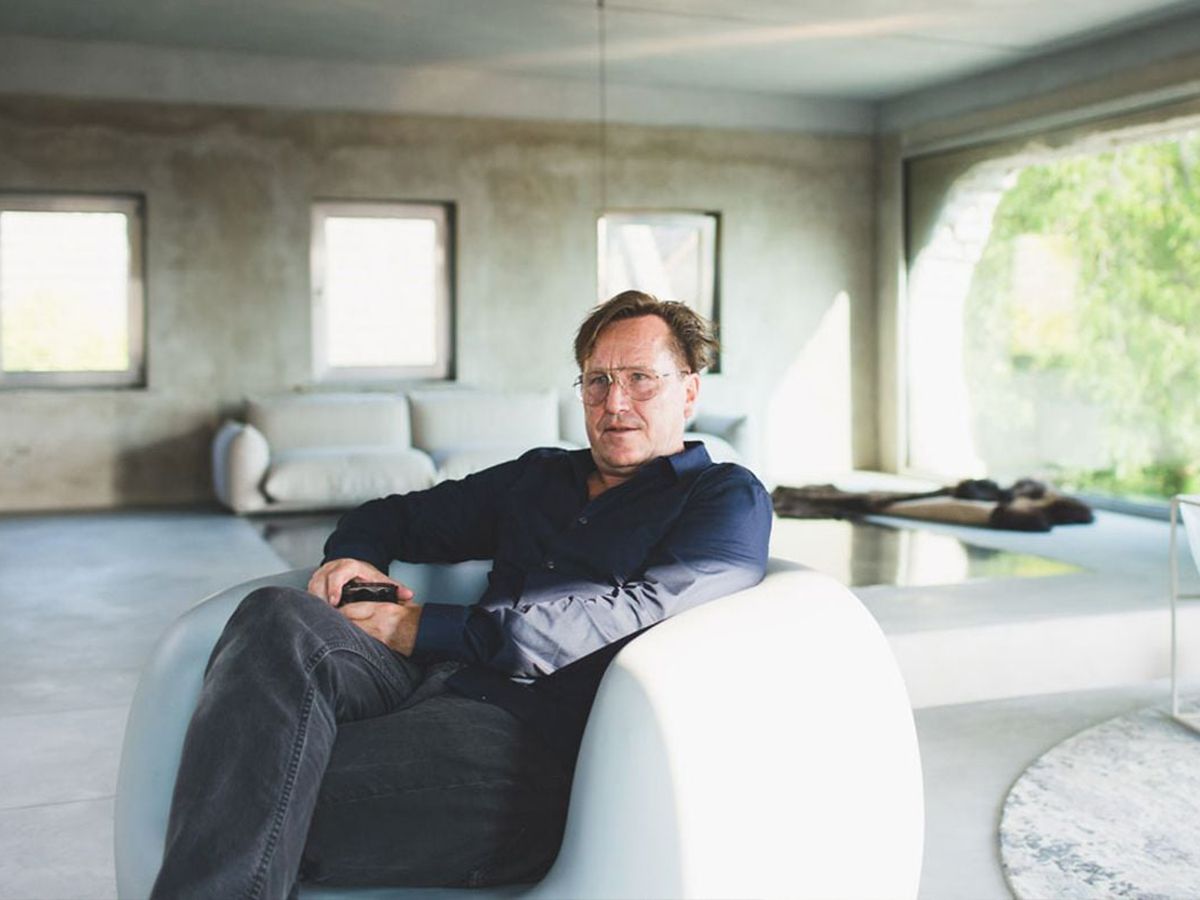
Arno Brandlhuber as agent provocateur? That falls short. A resemblance to Rainer Werner Fassbinder, the radical director and brilliant instigator with a tendency toward self-destruction? Closer. Like Fassbinder, Brandlhuber is a virtuoso berserker and renewer of his discipline. He takes risks in his work and is revered for it. Unlike Fassbinder, however, the ETH architecture professor considers provocation a waste of time and ego displays pointless.
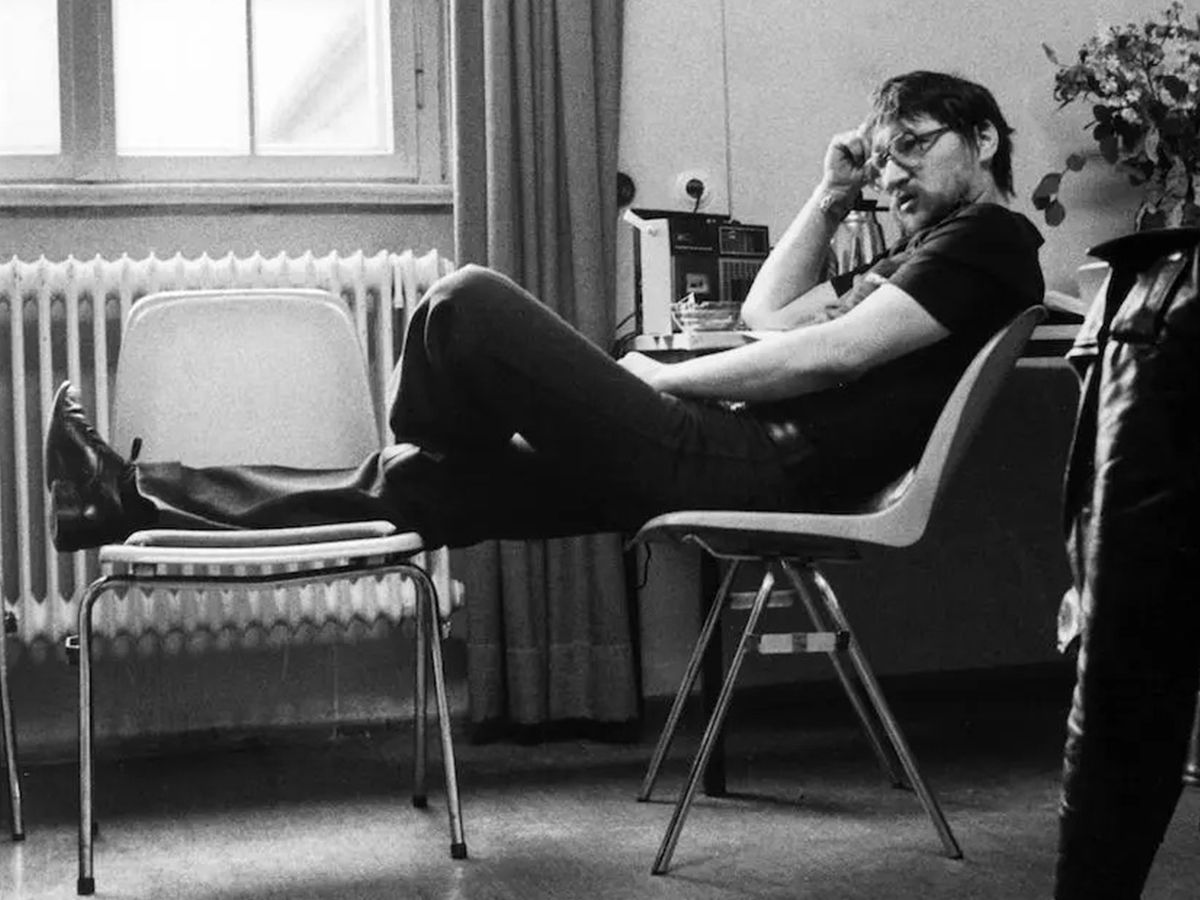
Brandlhuber is solution-oriented, collaborative, responsible. He creates places, generates possibilities, renegotiates and rearranges the legal, cultural, and social conditions of living space. Anti-heroes like him are rare: architectural materialist, anarcho-situationist, provocateur, individualist social sculptor, optimist. He has achieved enduring results for the new Berlin, taking into account the sum of urban heroic gestures. One anticipates his next activities—perhaps in a different location. Brandlhuber knows what he owes himself.
Anarcho-Situationist
b+ operates situationistically—not least because the architectural collaboration rejects sterile zoning models of urban planning that separate living from working. The architectural practice of b+ consists of open functional structures that allow situations to emerge: encounter, surprise, contemplation, play, detours—emotions. Brandlhuber became what he is in Berlin’s urban laboratory. In reciprocal influence, the urban intelligence of his buildings shapes the city’s culture. b+ interventions are sought-after and increasingly valuable—because they are built close to people and release us from status competition.
Archi-Materialist
Materialism and the ready-made are defining factors in the work of b+. Architecture emerges through context. b+ employs ready-made strategies, arriving at solutions whose meaning arises through place, staging, interpretation. For Rem Koolhaas, Lacaton & Vassal, and others, the ready-made is also an established design principle that challenges the classical idea of the original—Marcel Duchamp remains relevant.
Material and Intellectual Sustainability
b+ pushes the ready-made and reuse principle to an extreme by not designing the new but understanding what exists—buildings, typologies, building codes—as material and recontextualizing them through intervention. Architecture is not treated as formal invention but as conceptual framing of existing structures, rules, and programs. This method also informs new constructions. Notable is b+’s affirmative incorporation of art, popular culture, fashion, style and design, music. “If you want to understand the forces that are effective in (architecture), it is important that you look at other fields of modern life,” as art historian Alexander Dorner observed.
“Sustainability—radical!”
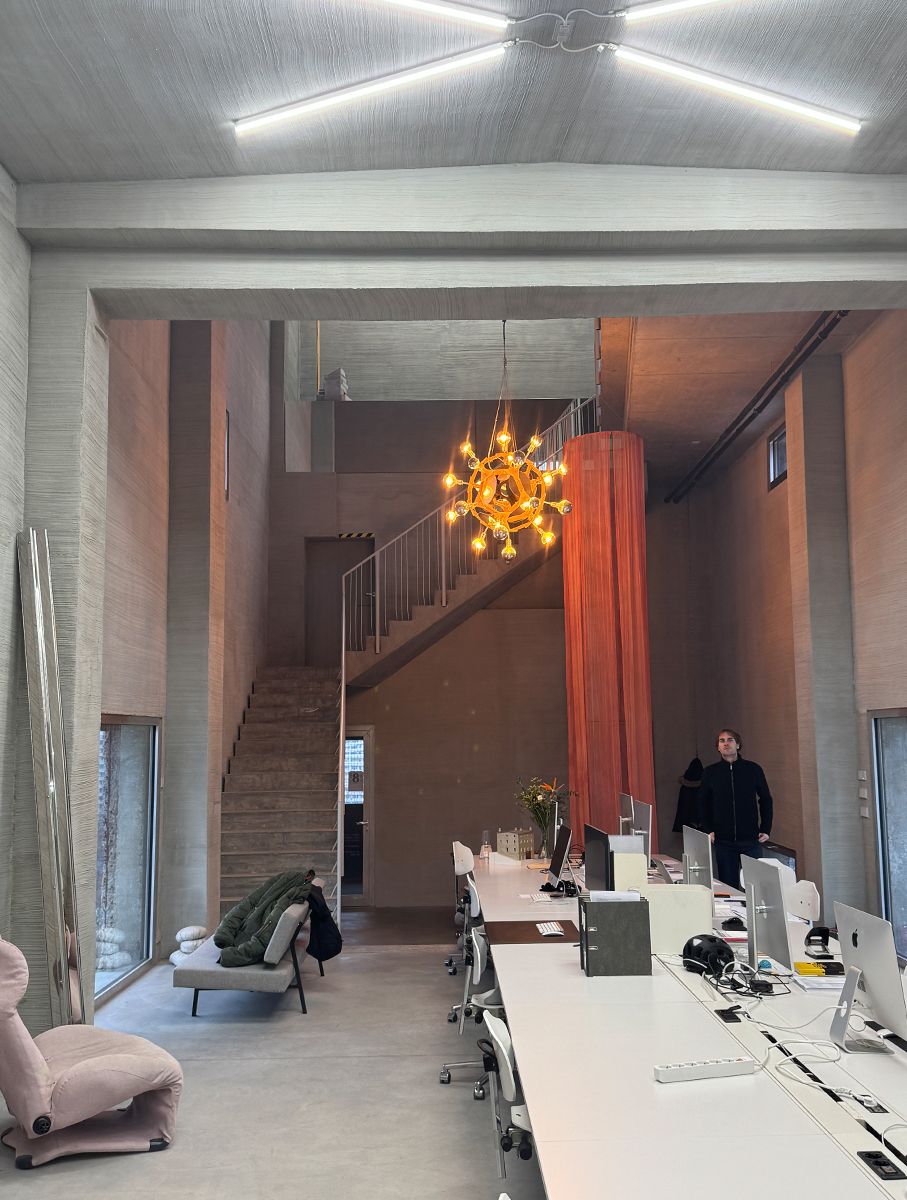
Case Study 01: SAN GIMIGNANO LICHTENBERG – Ready for Occupancy
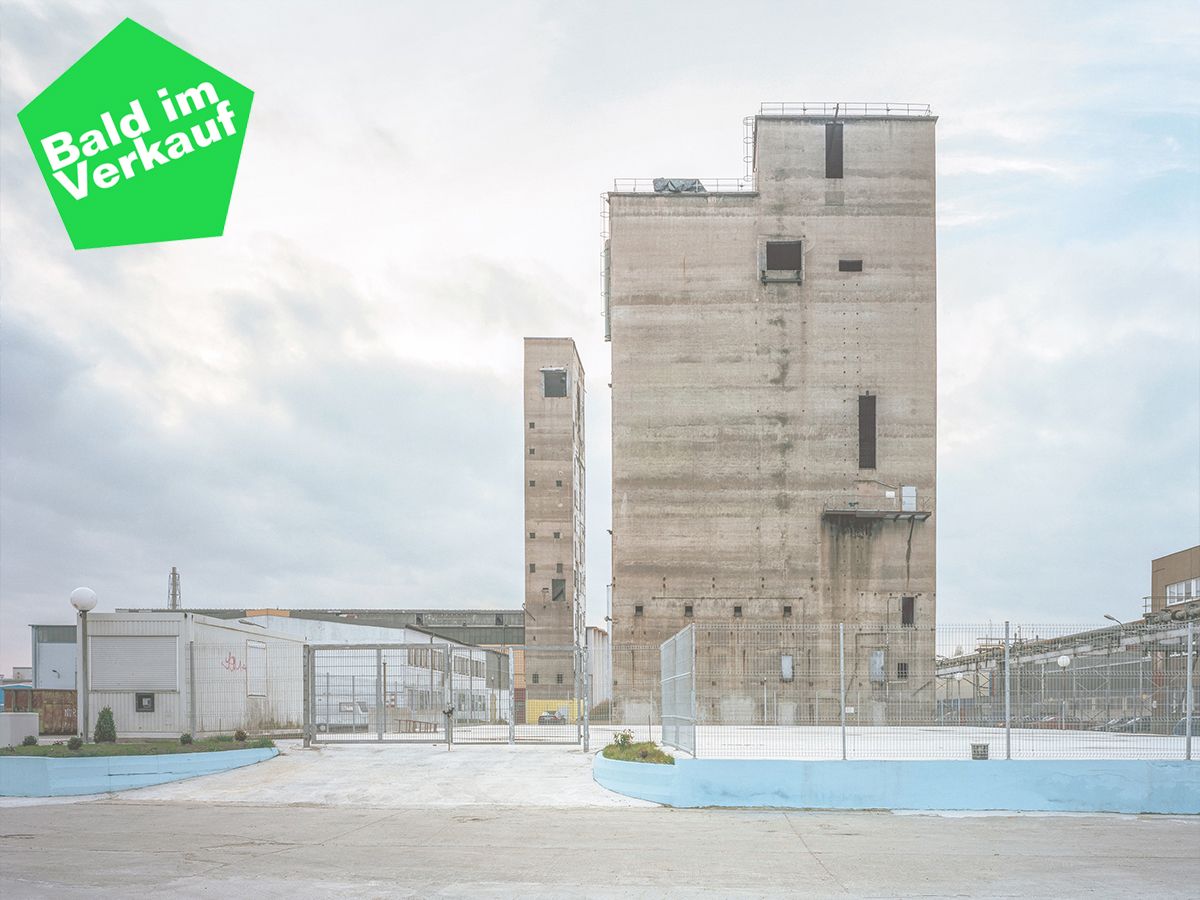
San Gimignano Lichtenberg—the urban-utopian tower seeks new owners.
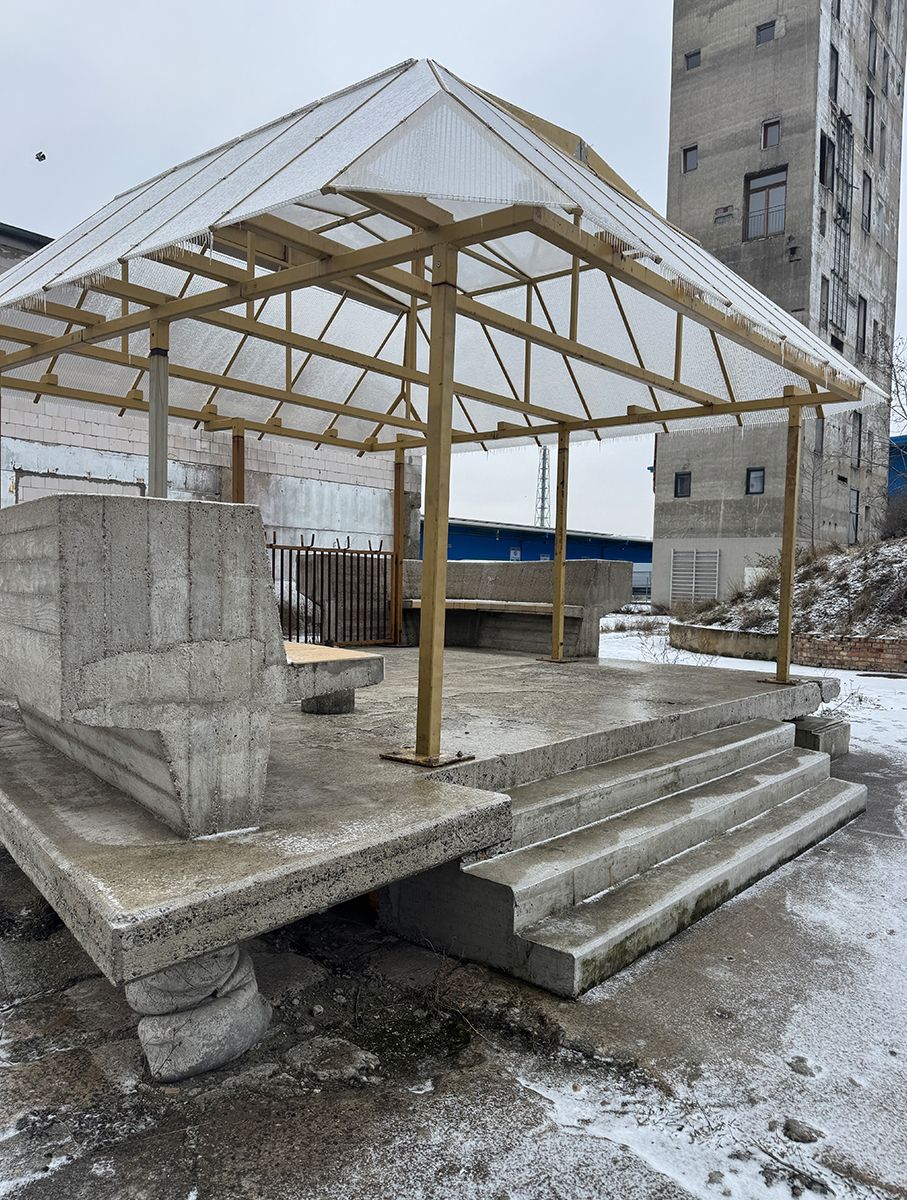
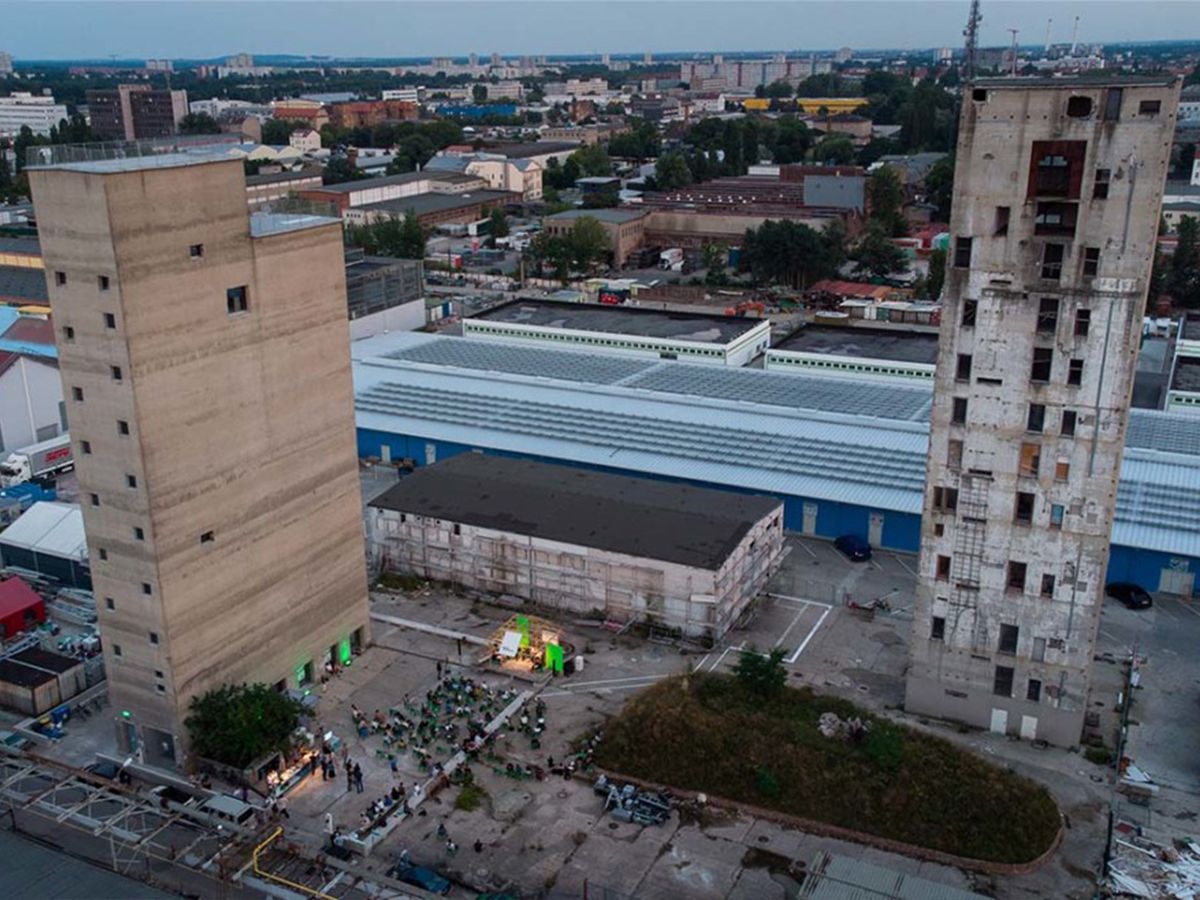
In the snow- and ice-covered plain of Berlin-Lichtenberg, two raw, slender concrete towers rise into the grey. The reference to the medieval tower city of San Gimignano and Arno’s urban laboratory becomes immediately apparent. Built in the 1950s by the GDR as industrial structures for graphite production, only the massive towers remained—constructed in the best concrete quality the workers’ state could produce, making demolition costly. Fortunate.
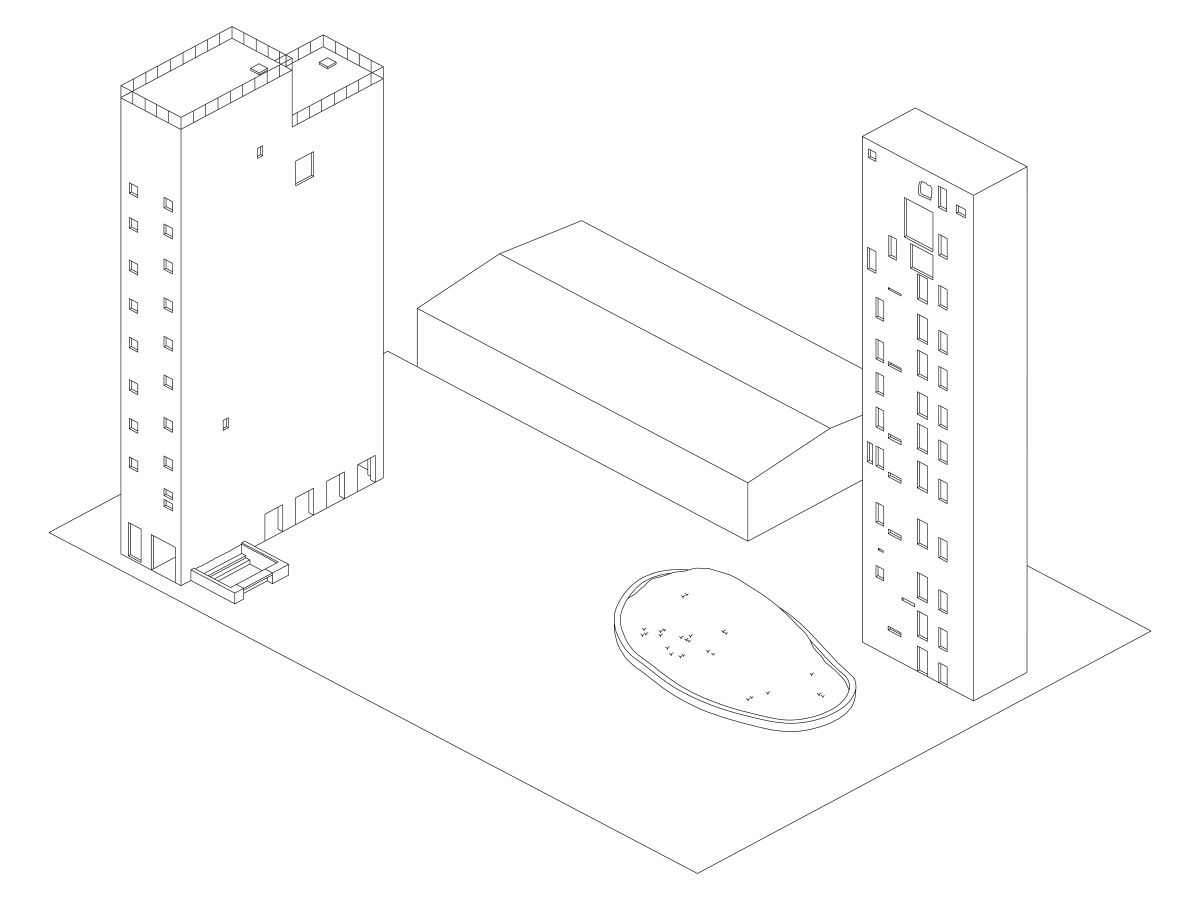
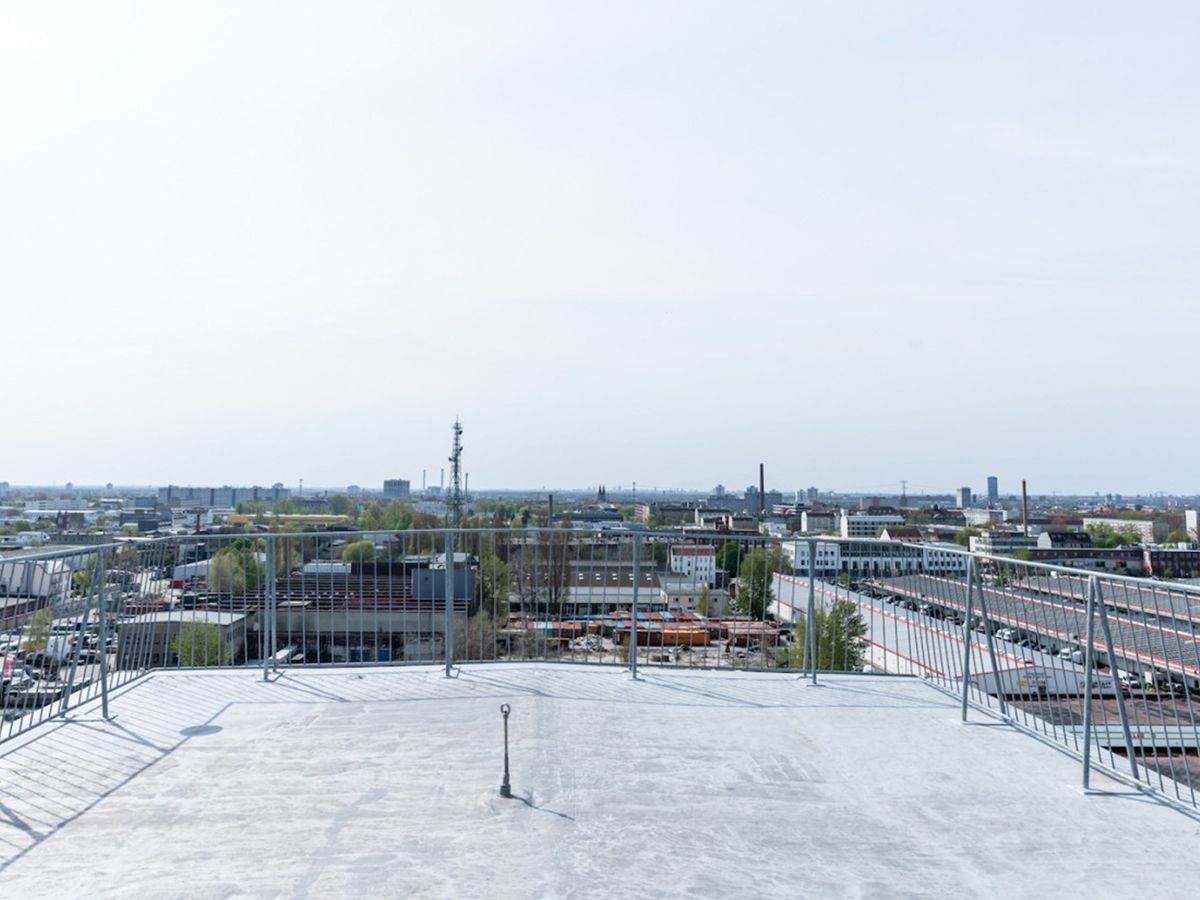
The offer: tower/artifact, 309 m² net, two roof terraces. Exemplary transformation into a place for work and thought.
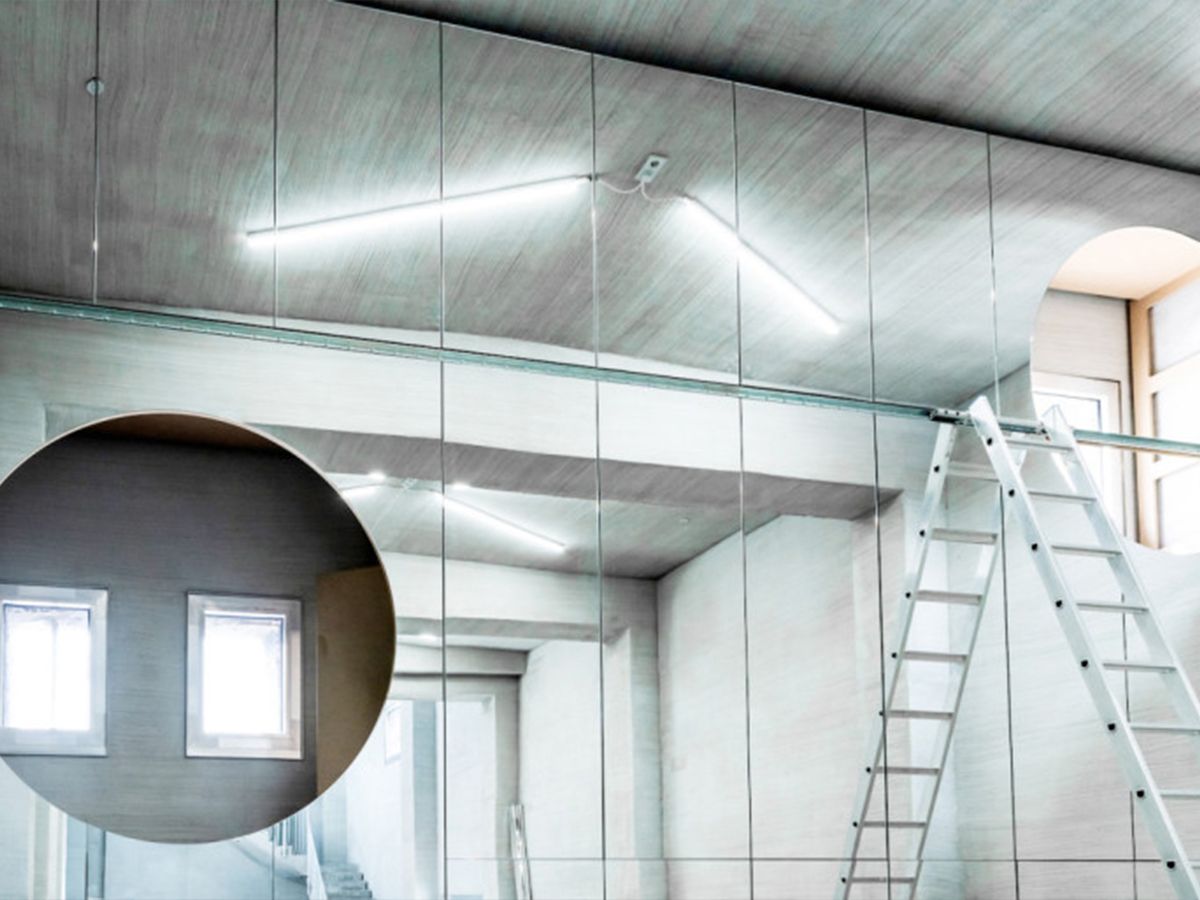
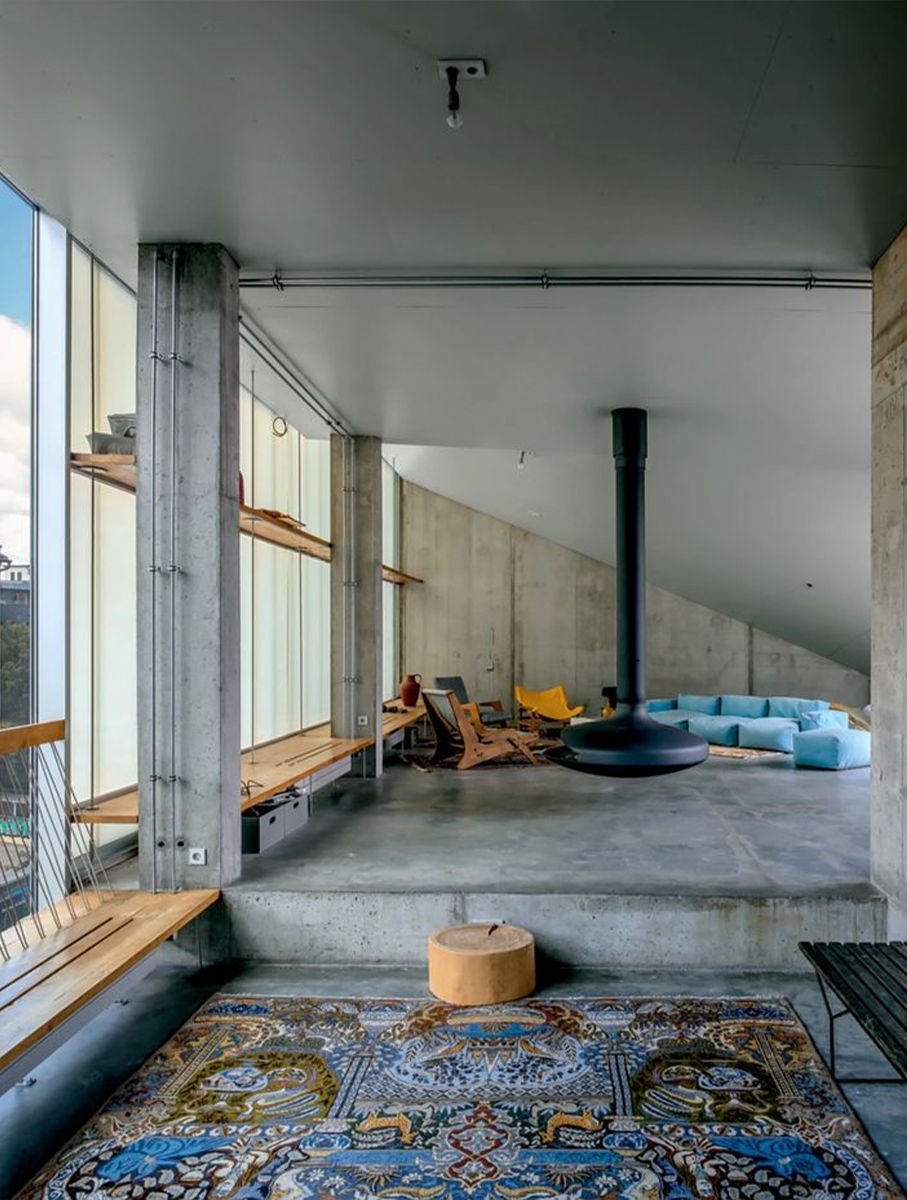
Monumental outside; classically Brandlhuber b+ inside. Programmatically radical. Space for entirely new user concepts. A gridded ground floor offers clarity and ideal working conditions. Forty meters up, the upper sphere—currently used by b+—opens to sweeping views through floor-to-ceiling windows to the Fernsehturm at Alexanderplatz and far westward.
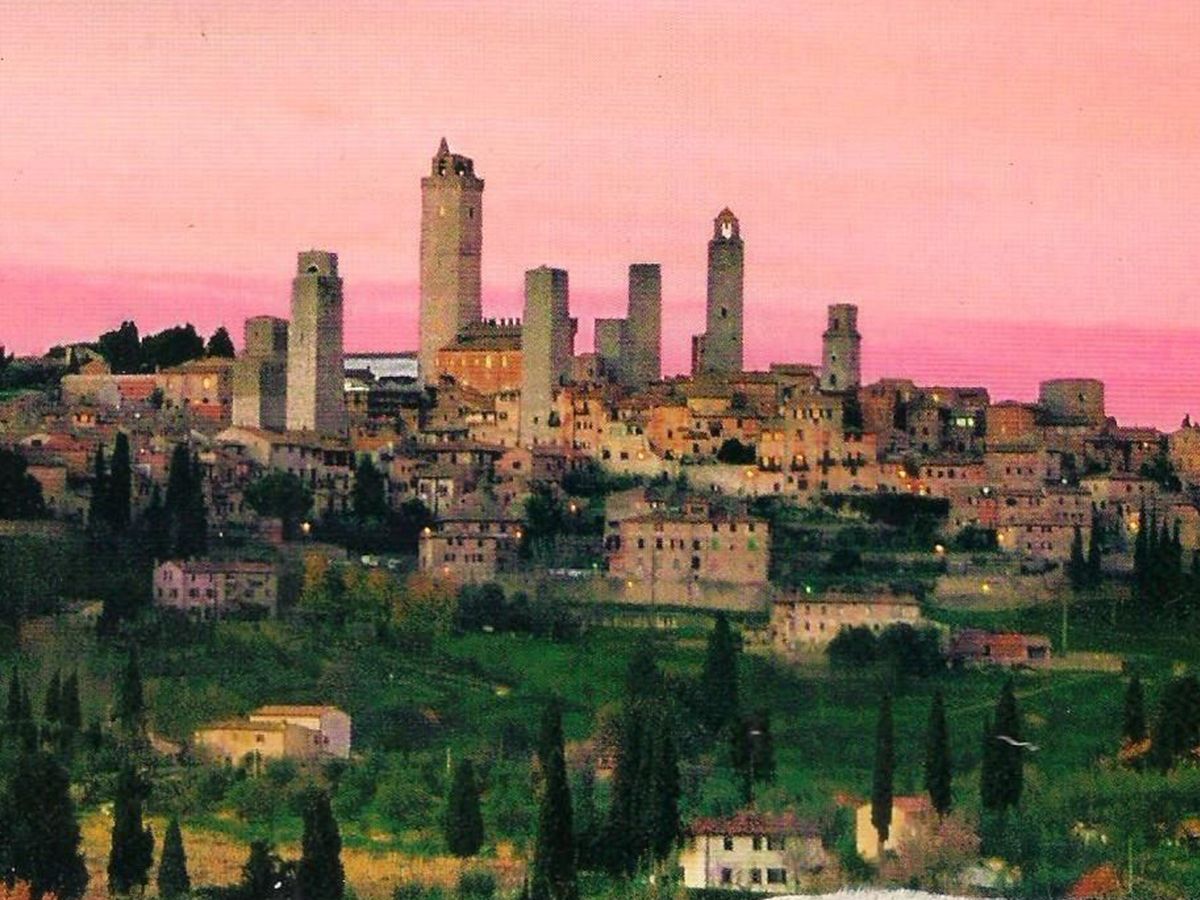
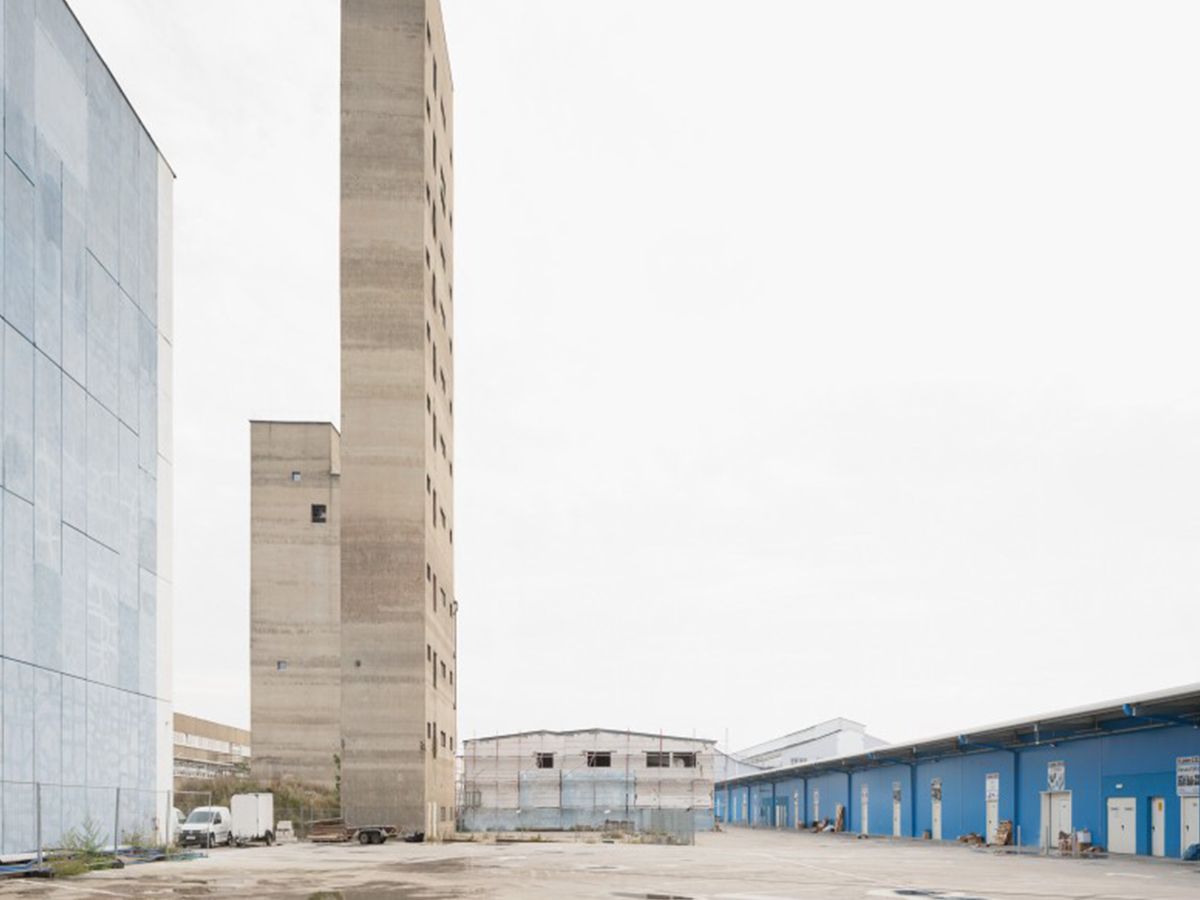
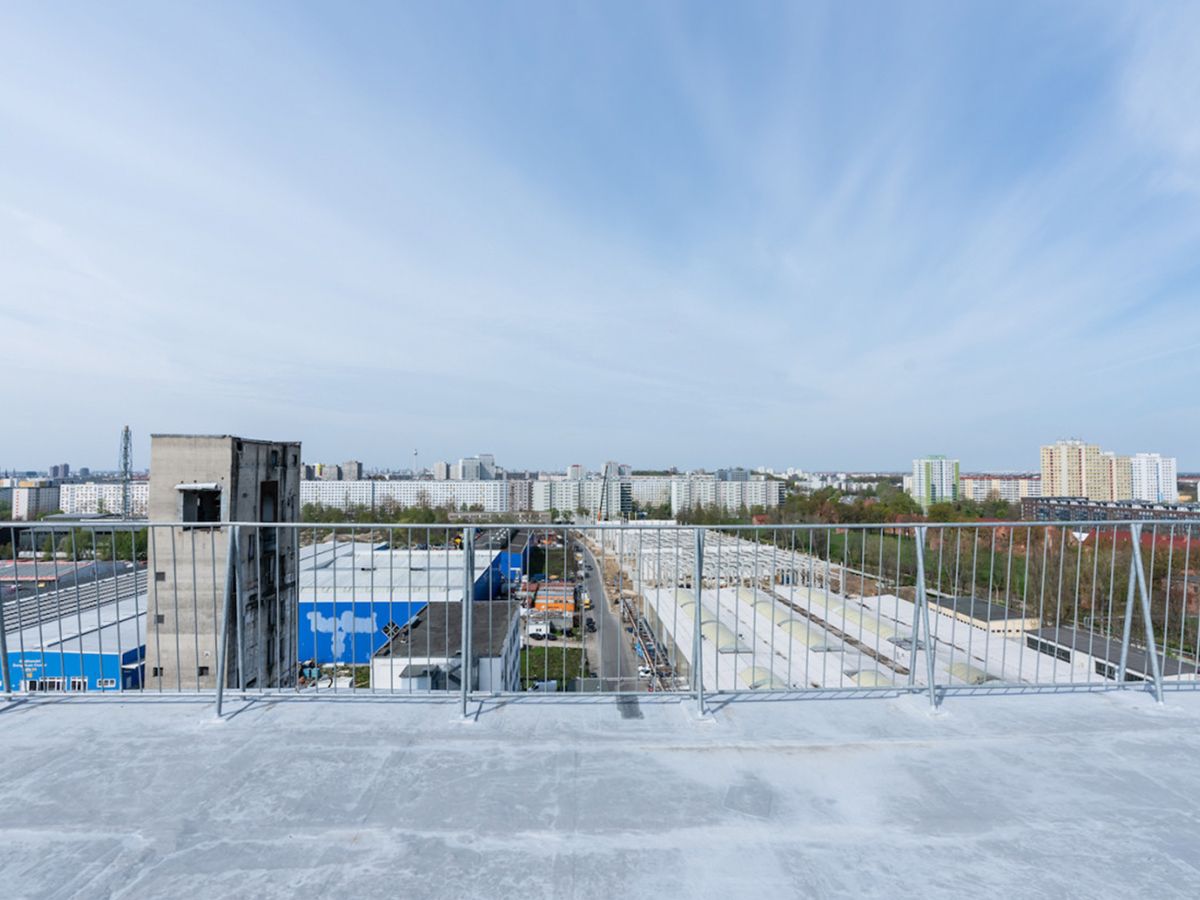
The vertical artifact points beyond itself conceptually: b+ envisions a series of slender vertical typologies that complement rather than replace existing urban structures—micro-entities with their own legal and spatial logic. San Gimignano Lichtenberg is less a building than an investigation into the relationship between form, city, and appropriation.
Does the Torre fit into your life plan?
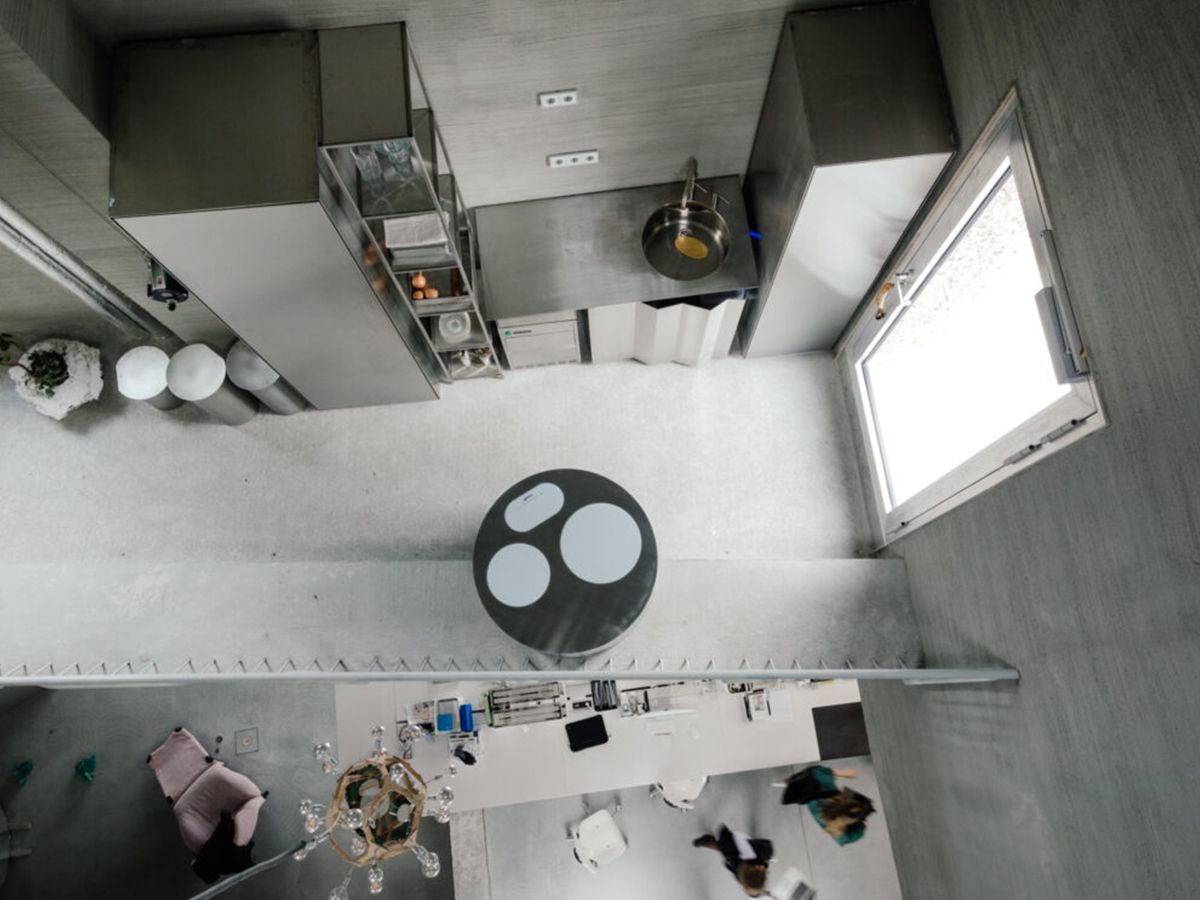
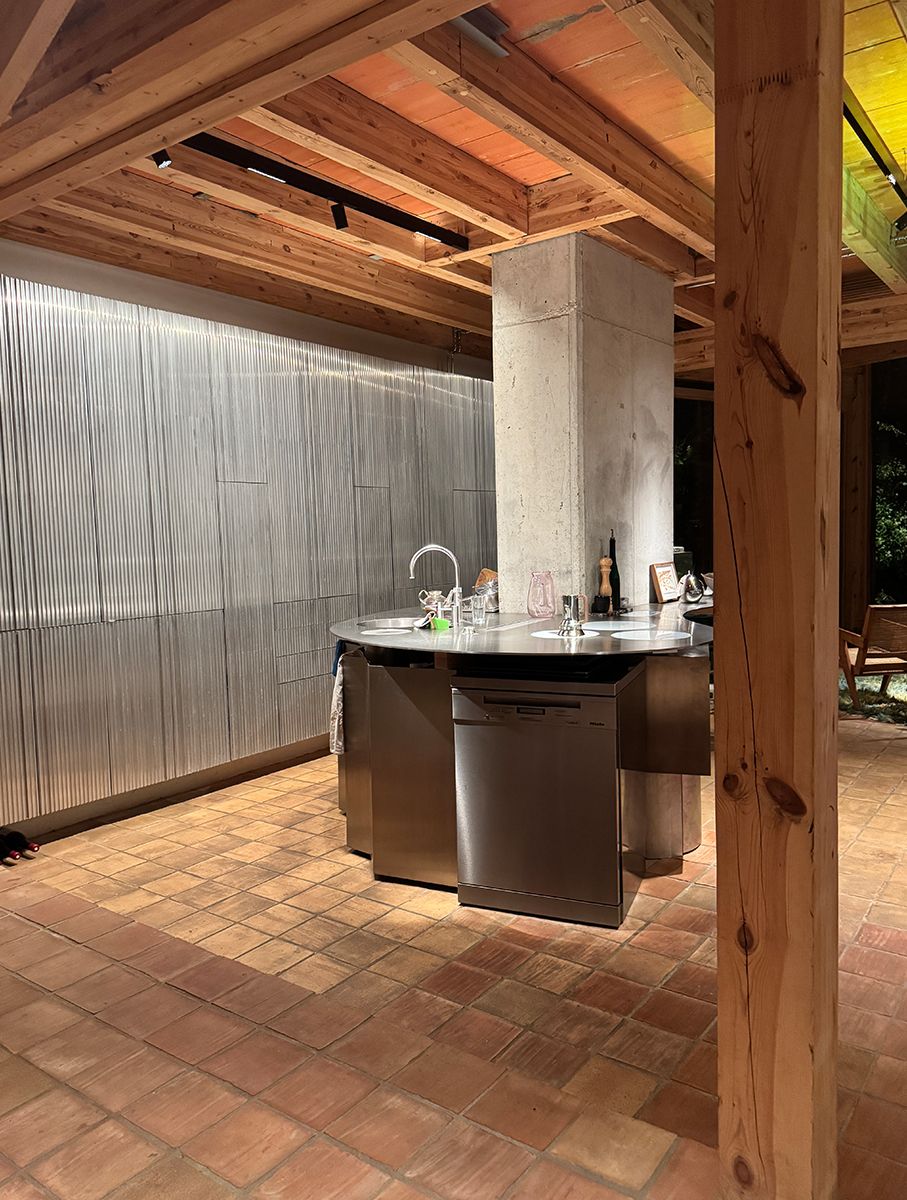
Comfort is assured. Kitchen by collaborator Sam Chermayeff. Biomorphic sanitary ware by Luigi Colani—reused, often in curry color. On request, a façade lift can be added. Outside charging station integrated into the building. The tower is highly performative—prepared for nearly every condition and inclination. For further information or viewing, contact Michelle Nicol.
The Location
Berlin Lichtenberg offers quality of life without full hipster gentrification: green spaces, parks, water, quick access to the center—15 minutes to Alexanderplatz.
Case Study 02: Terrassenhaus Berlin
Brandlhuber b+ can convert, extend, and build anew—because he can, because he avoids self-realization, and because his approach is urgently needed.
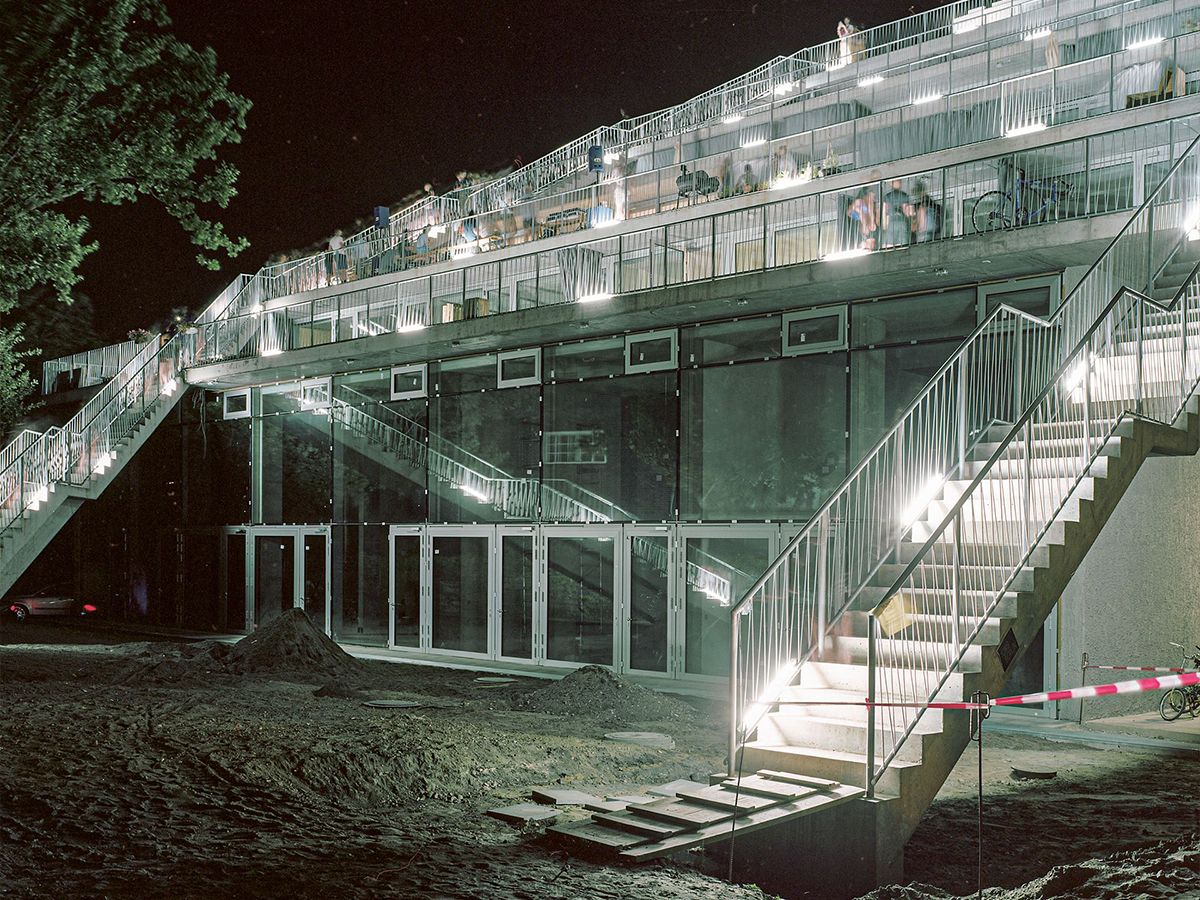
The Terrassenhaus (2014–2018), a residential and commercial building with gastronomy, exemplifies density and individual appropriation. Architecture as structure, not finished product. Conditions rather than prescriptions. The result is careful optimization of spatial and psychological potential for users and neighbors—an answer to the hollow luxury housing of the present.
Terrassenhaus Berlin
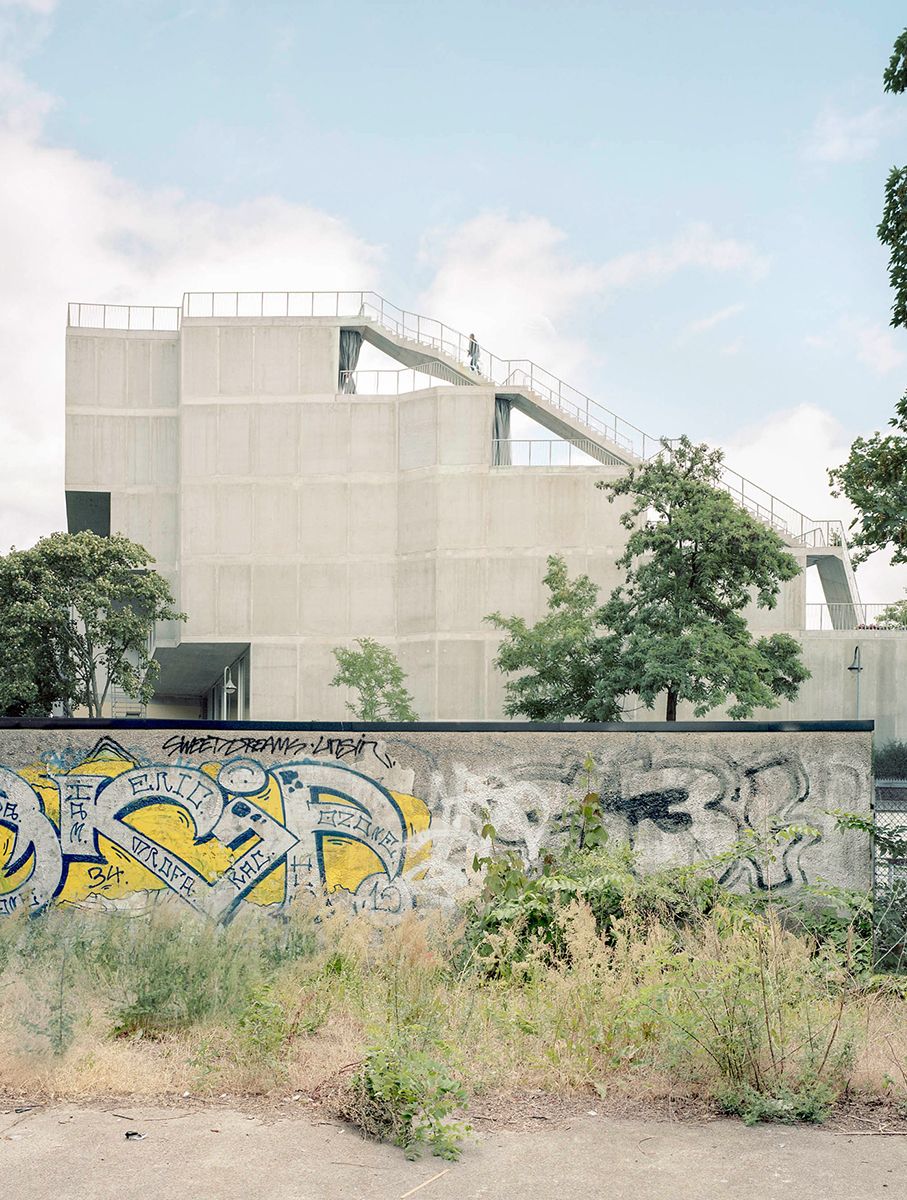
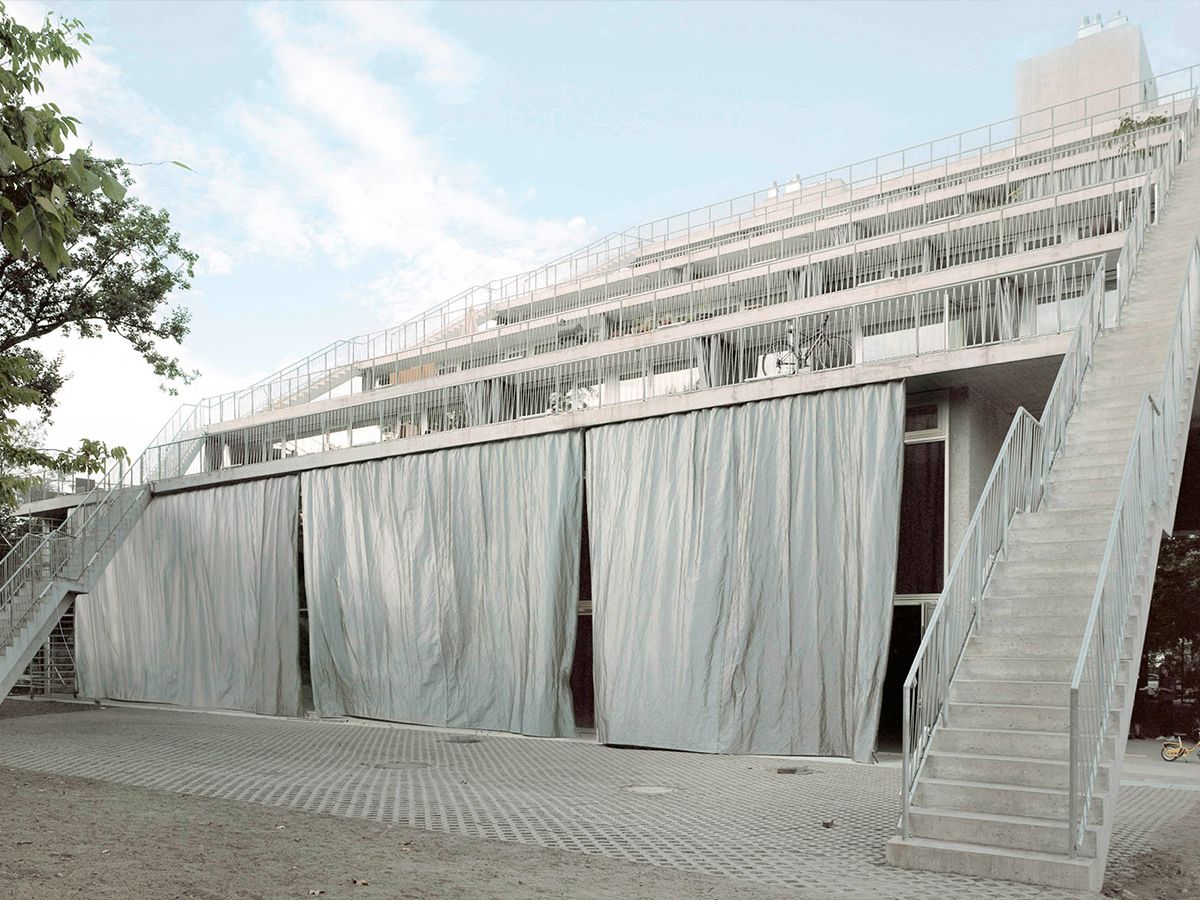
By Arno Brandlhuber, Muck Petzet, and b+, it appears like a stack of platforms hastily placed, forming an intriguing figure. The stepped façade leaps into the street; the garden side becomes a scenographic, convivial counterpart—terraces, amphitheater, even volleyball courts. Outdoor concerts included. Access from the garden is via two dramatic semi-private staircases; interior access is discreet, by elevator to one’s own level. Who would still want to live in a villa? It would need to be an anti-villa*.
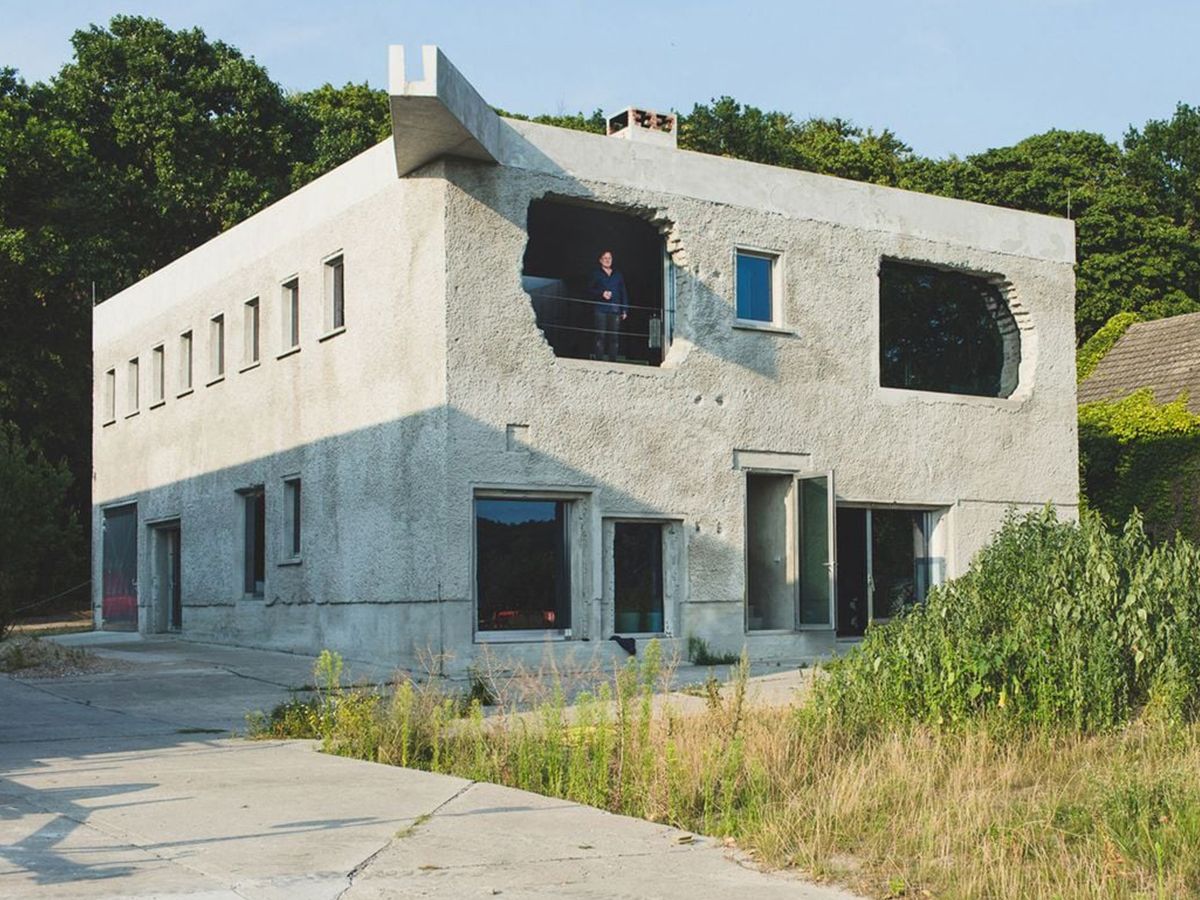
Treat: The mountain-like windowless concrete façade evokes contemplation. Interiors are raw, flexible, utilizing full depth and expansive terraces. Open plans and exposed materiality turn users into actors.
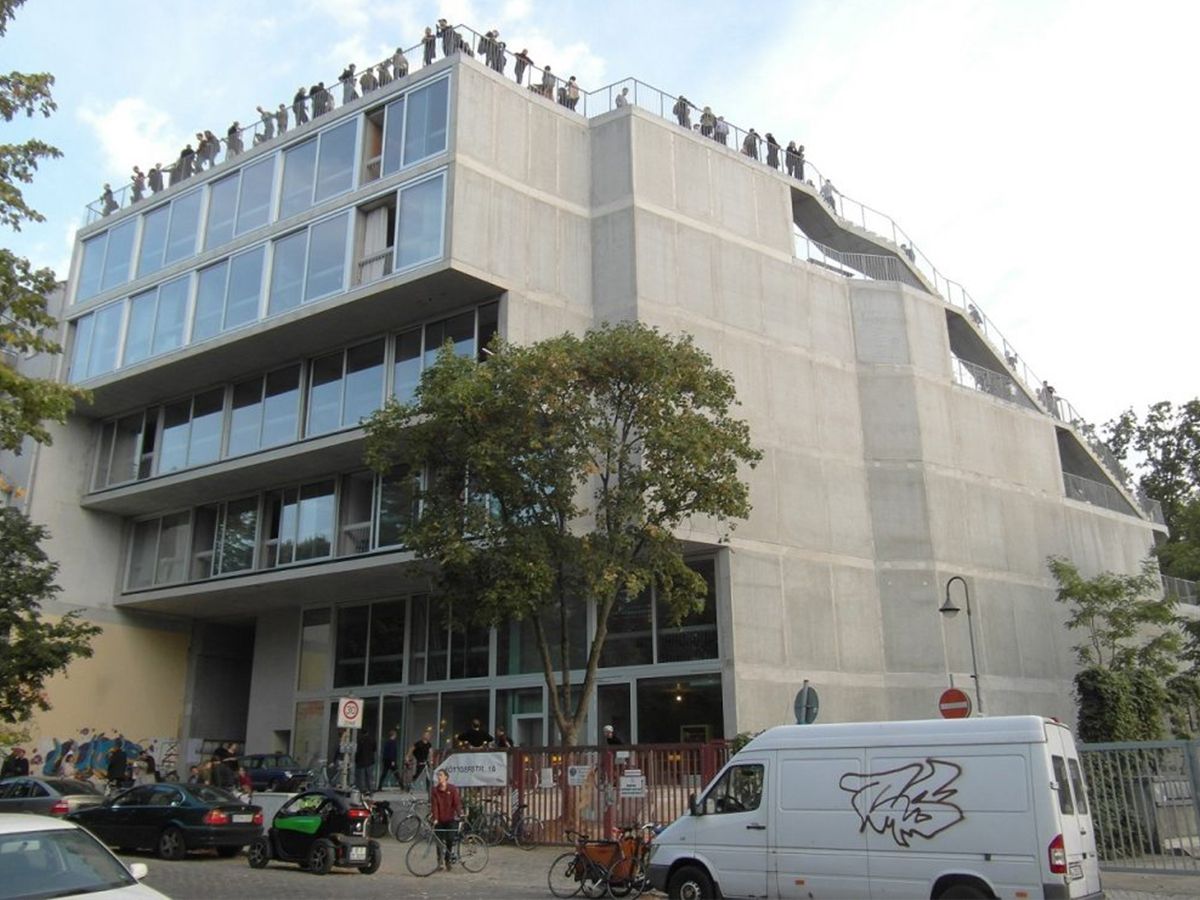
Everything flows: energies, perspectives, even rainwater cascading from terraces inclined at two degrees—forming waterfalls during heavy rain. No hidden drains disturb the clarity. The underside insulation of the terraces remains exposed—functional sustainability appearing almost as art. The Terrassenhaus stands as an urban reef in Berlin-Wedding, drawing people and ideas.
Case Study 03: BRUNNENSTRASSE
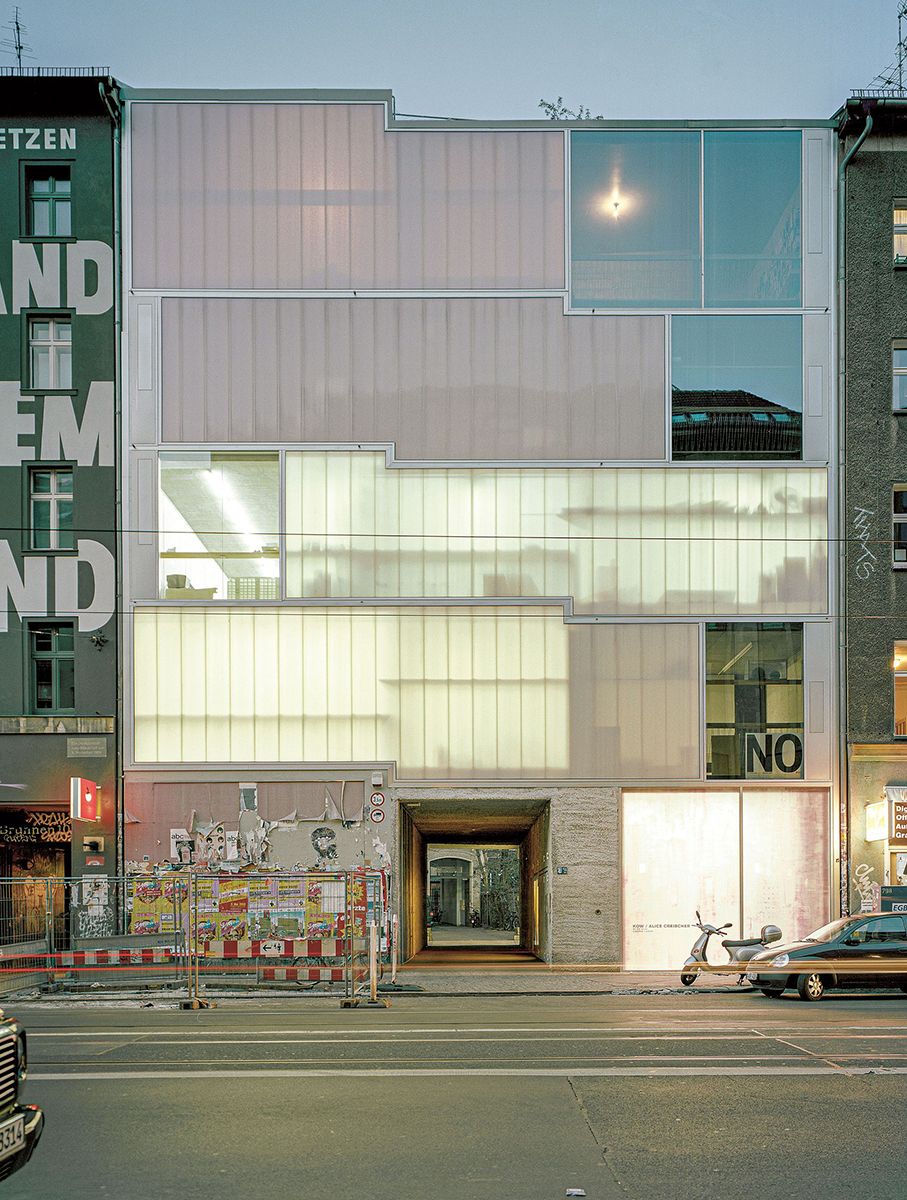
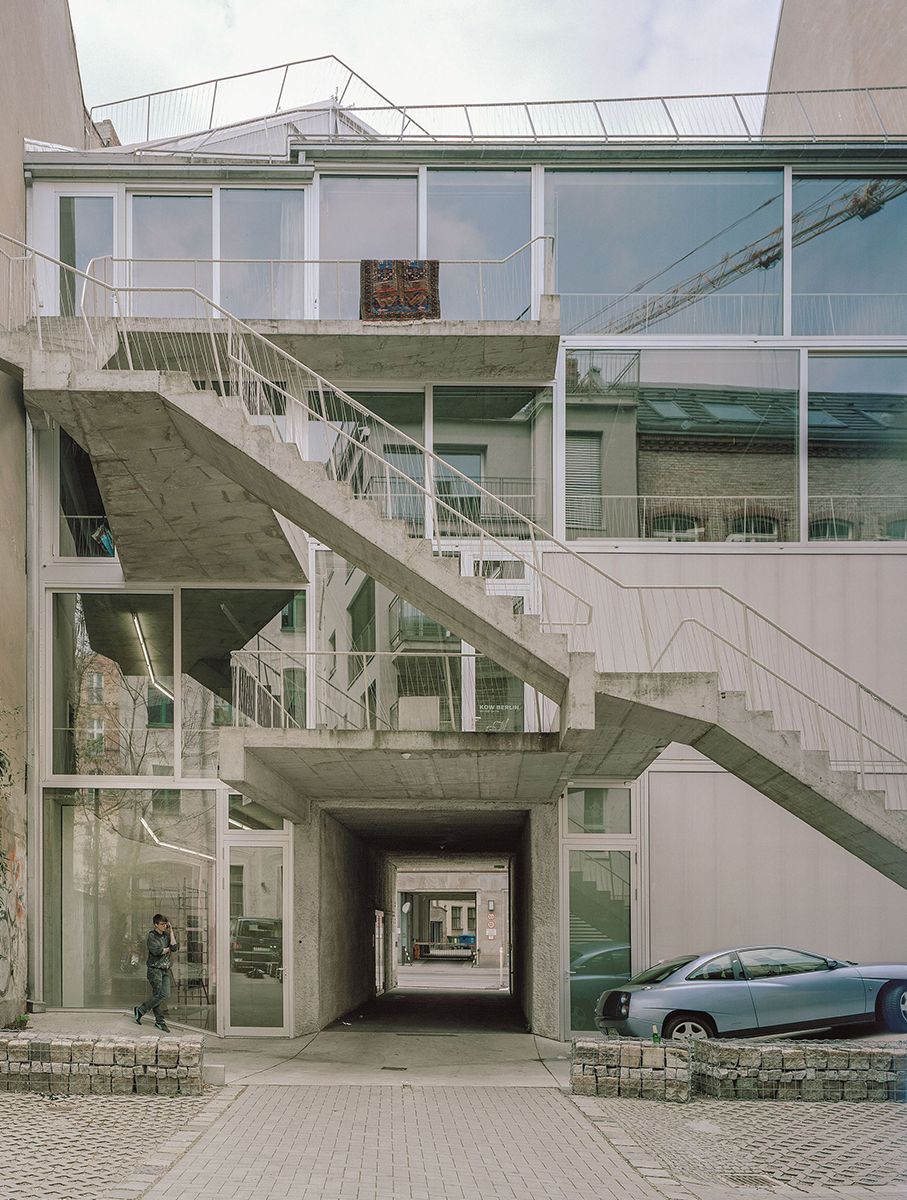
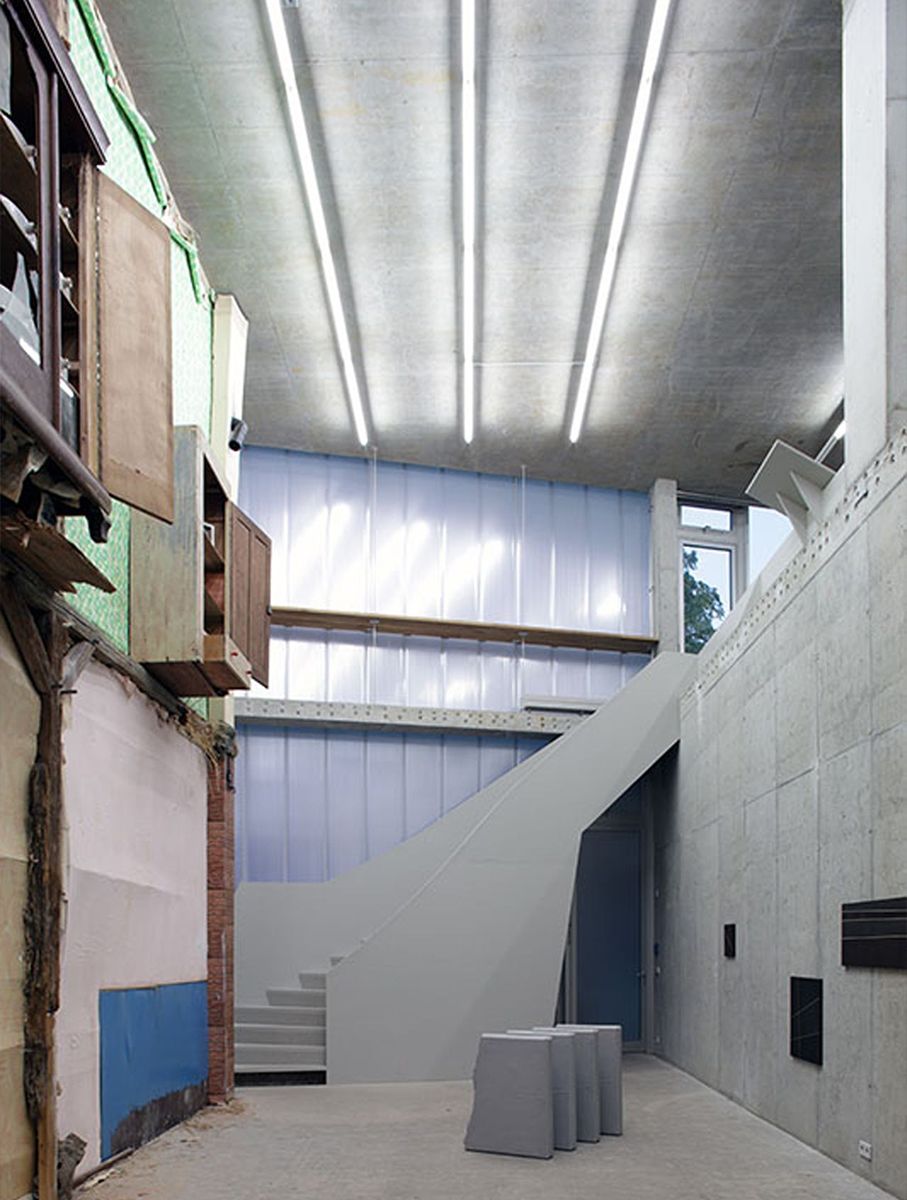
In the 2007–2010 residential, commercial, and boutique new building on Brunnenstrasse, b+ inserts high-performance chips into the city, bringing activity and optimism. For architecture and urban strategy, b+ plays a role akin to what Berghain represents for transgression or the Neue Nationalgalerie for contemporary art.
Case Study 04: Eco-House by Frei Otto – For Sale Under Leasehold
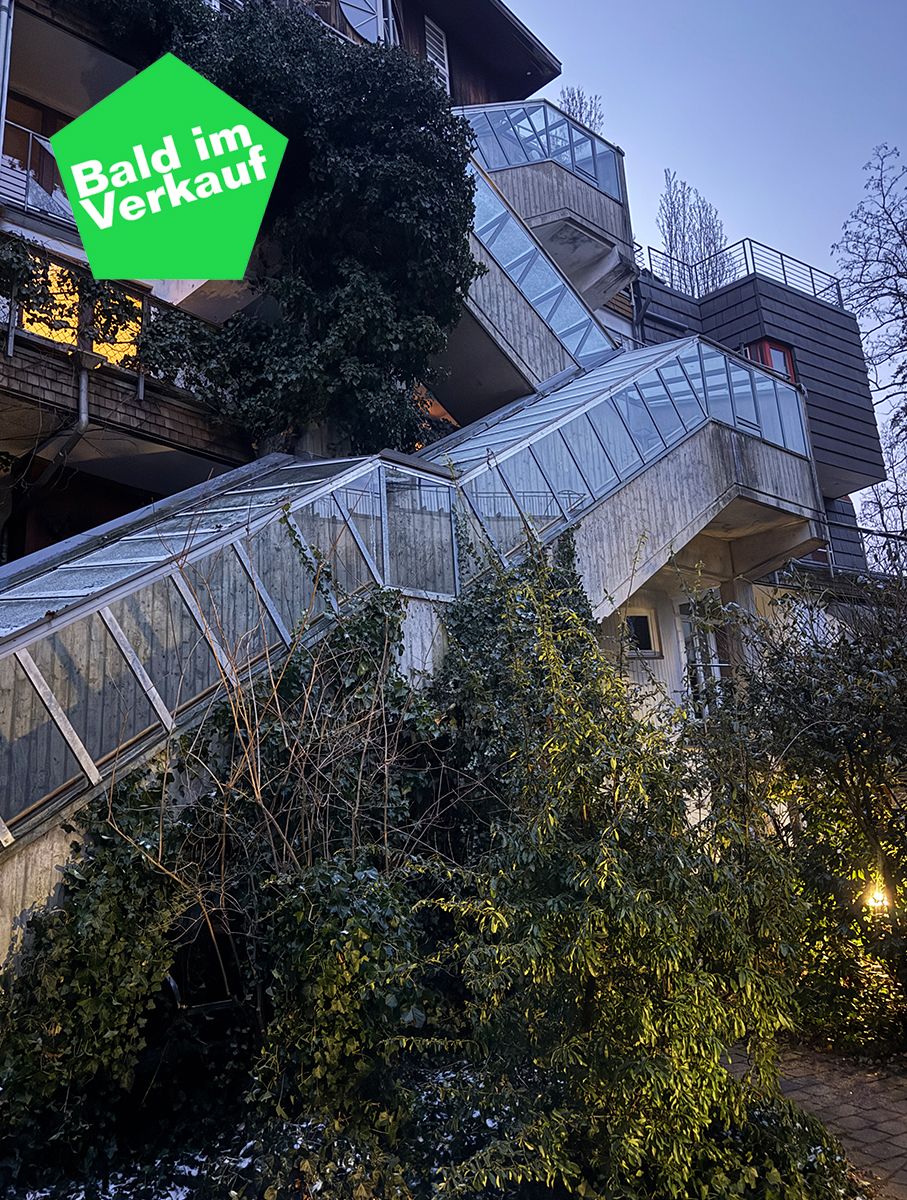
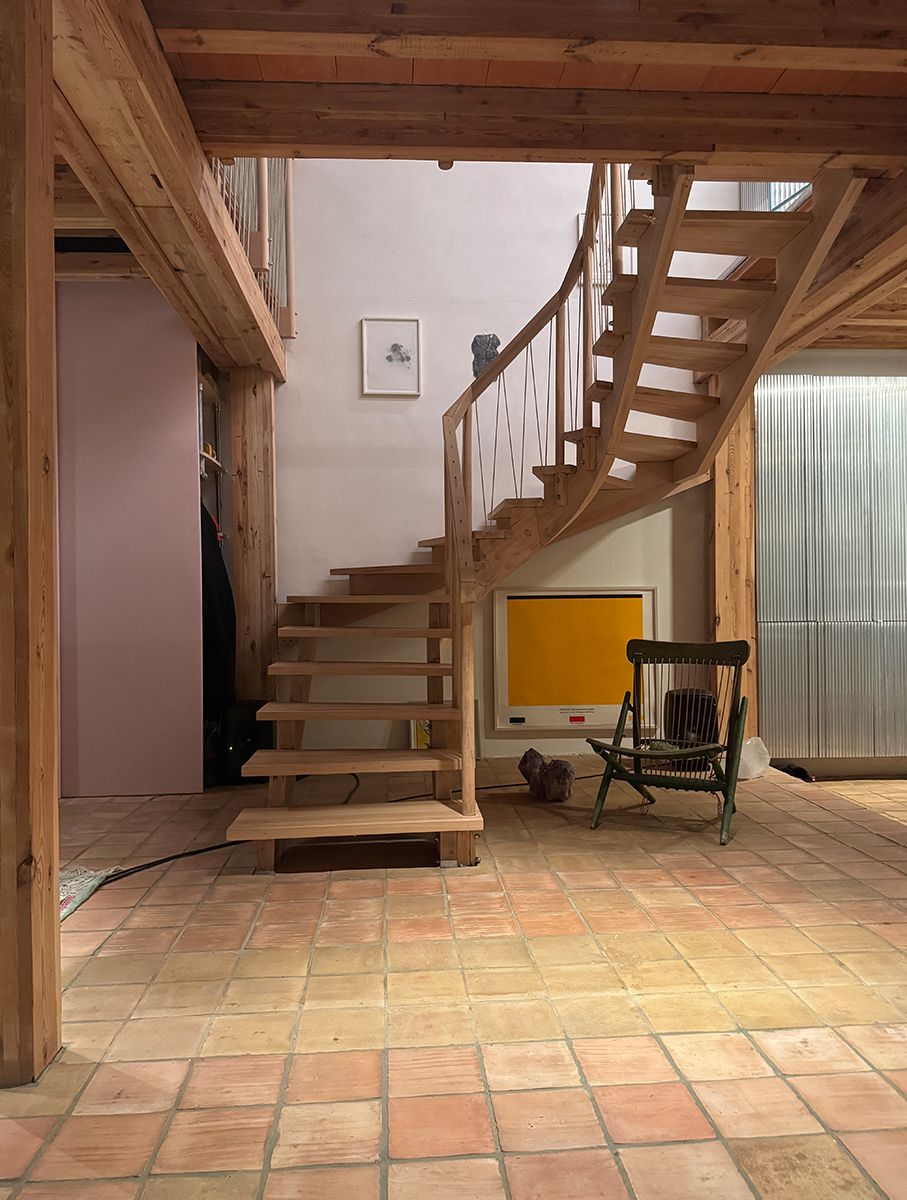
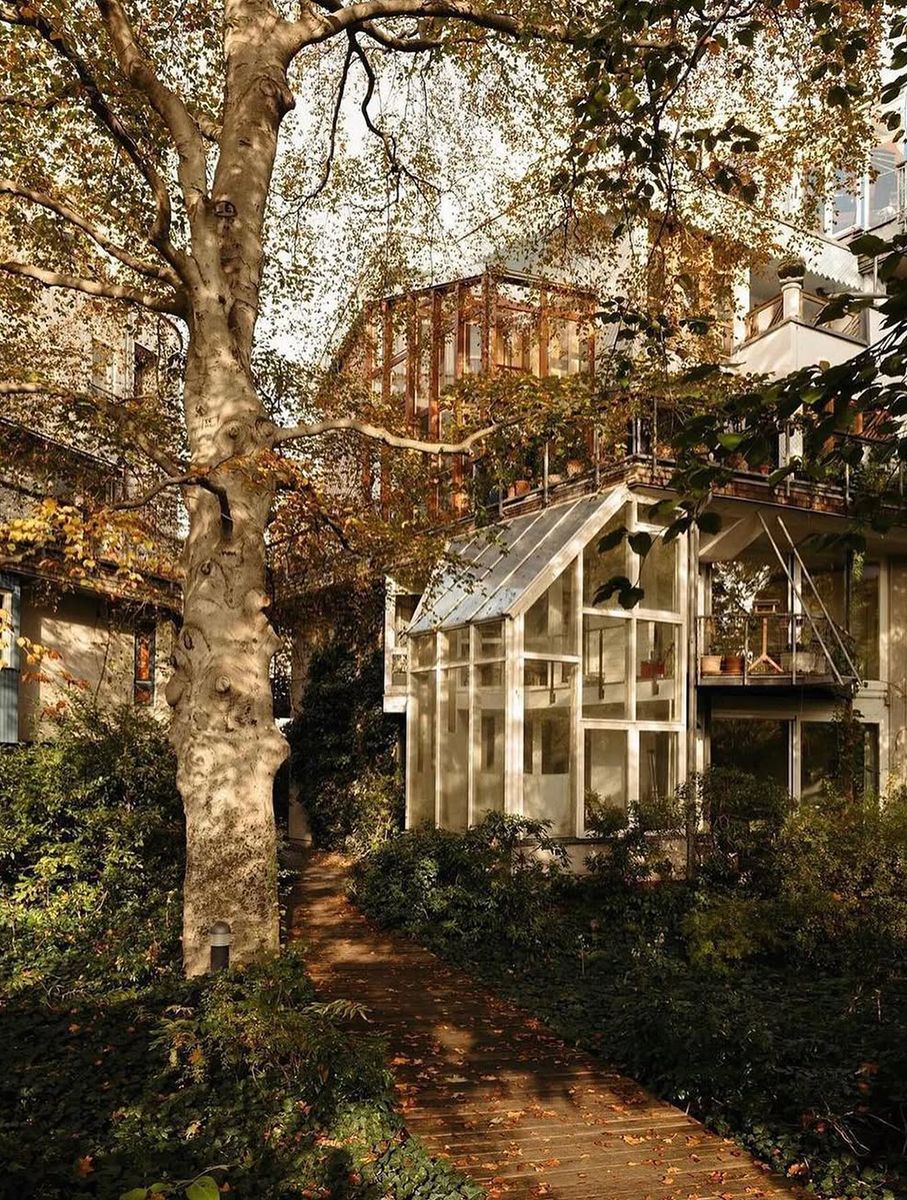
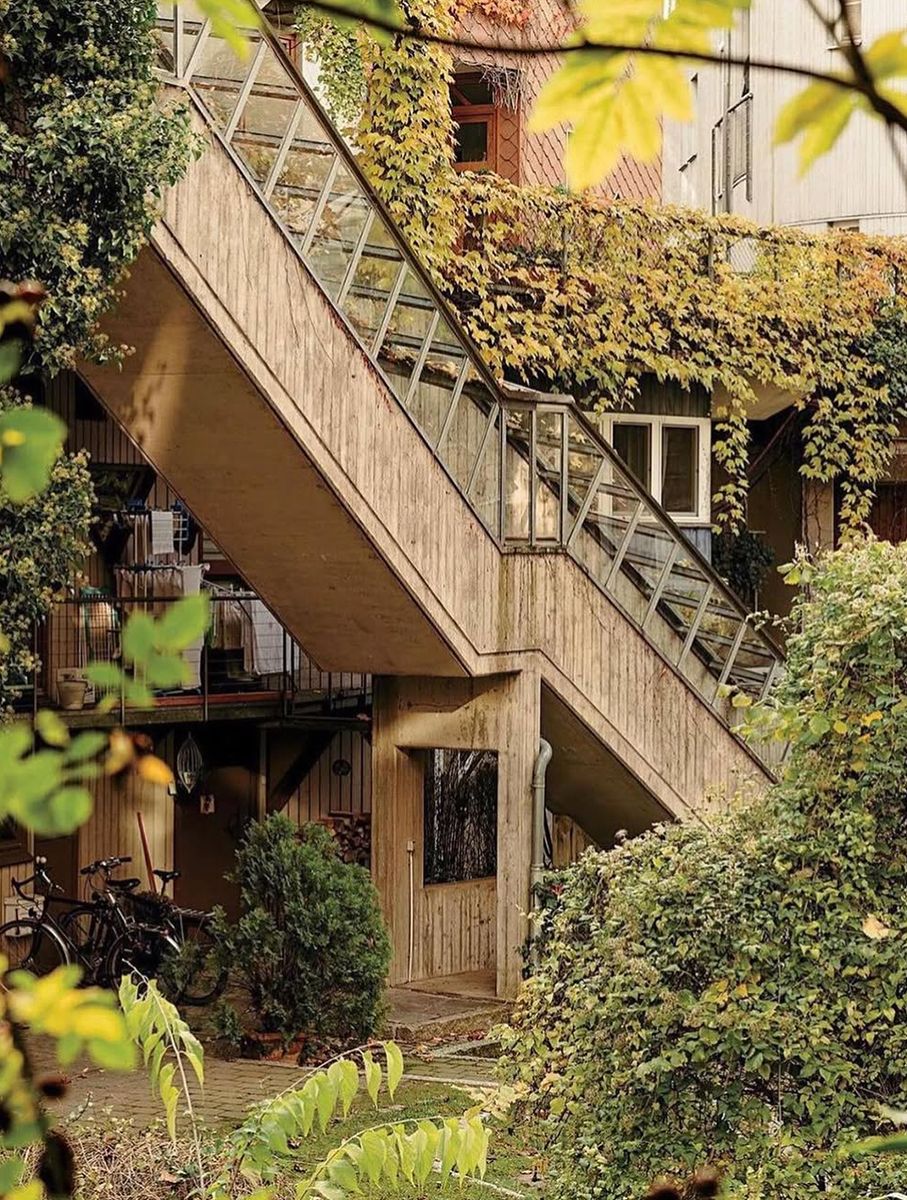
Arno Brandlhuber is an ardent architecture enthusiast, fascinated by artifacts of all kinds—especially postwar modernism. His family residence can be found in the Ökohaus by Frei Otto (1984–87), a precursor of sustainable construction. Otto’s principle—structural frame with individually built infill—allowed residents to design their own units within two reinforced concrete structures, 35 and 60 metres high, to serve as the backbone. The result remains a relaxed collage. In the Brandlhuber duplex, the structural system was once concealed; b+ restored its presence. Further details are available in the sales dossier.
Frei Otto
Alongside Richard Buckminster Fuller and Santiago Calatrava, was among the most significant representatives of organic architecture and one of the major architects of the twentieth century, widely known for his builds for the 1972 Olympic Games.
Spread the good words on


