Pierre! Pierre!
Two undogmatic conviction champions
Rudolf Schürmann, Poeticwalls
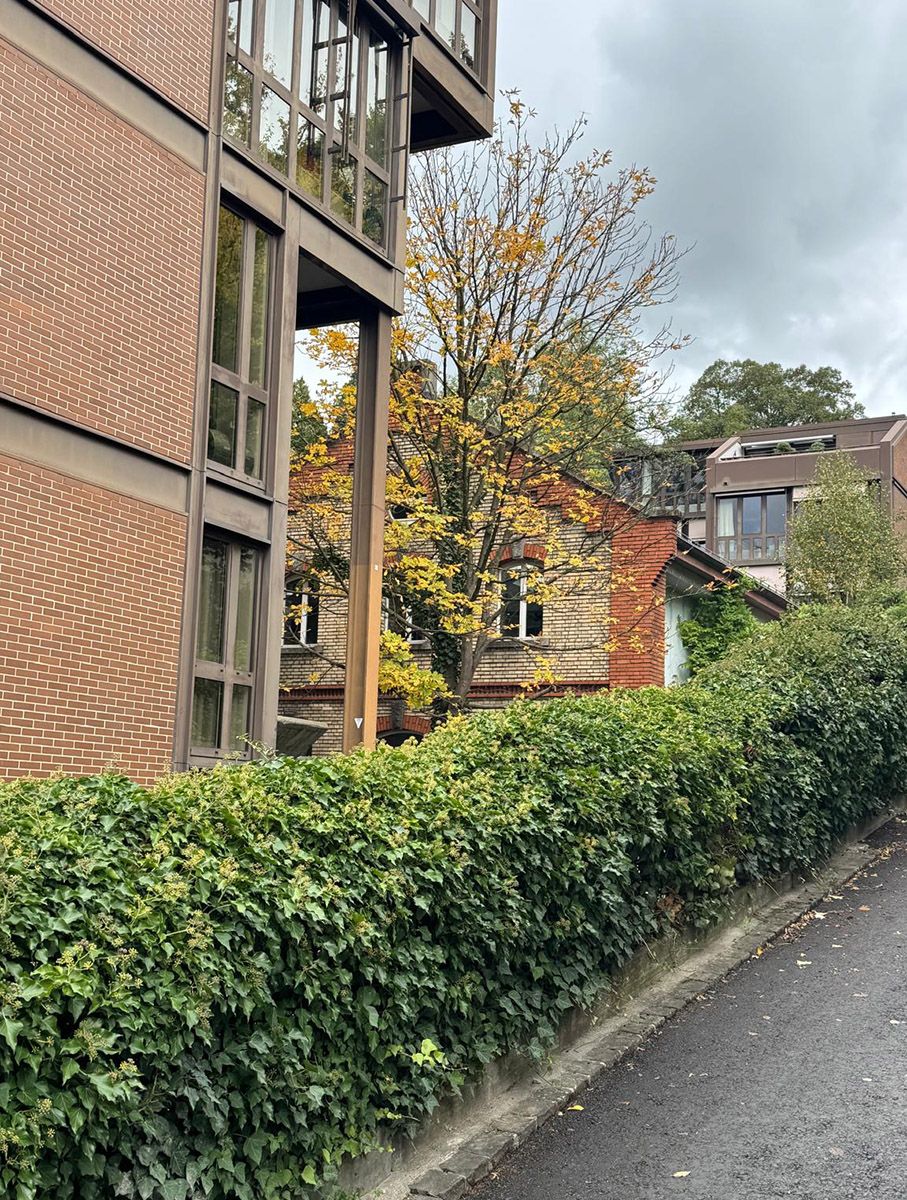
While apartment hunting in Zurich, I found myself touring a terraced townhouse, part of the former Mühle Tiefenbrunnen factory complex. Pierre Zoelly (1923–2003) transformed it in a way that became a benchmark for adaptive reuse of industrial sites, linking the historic fabric with contemporary construction. The resulting blend of living, working, cultural, and retail spaces was branché in the 1980s—a fact underscored when Swiss fashion queen Christa de Carouge, a Basel native and Zurich transplant, opened her boutique in the former brewery/mill. Visionary developers: the Wehrli family.
Zoelly’s pioneering model has endured nearly four decades. To me, it epitomizes the ultimate test of architecture: through all that time, almost no structural interventions were needed, and the original use has remained essentially unchanged. It works.
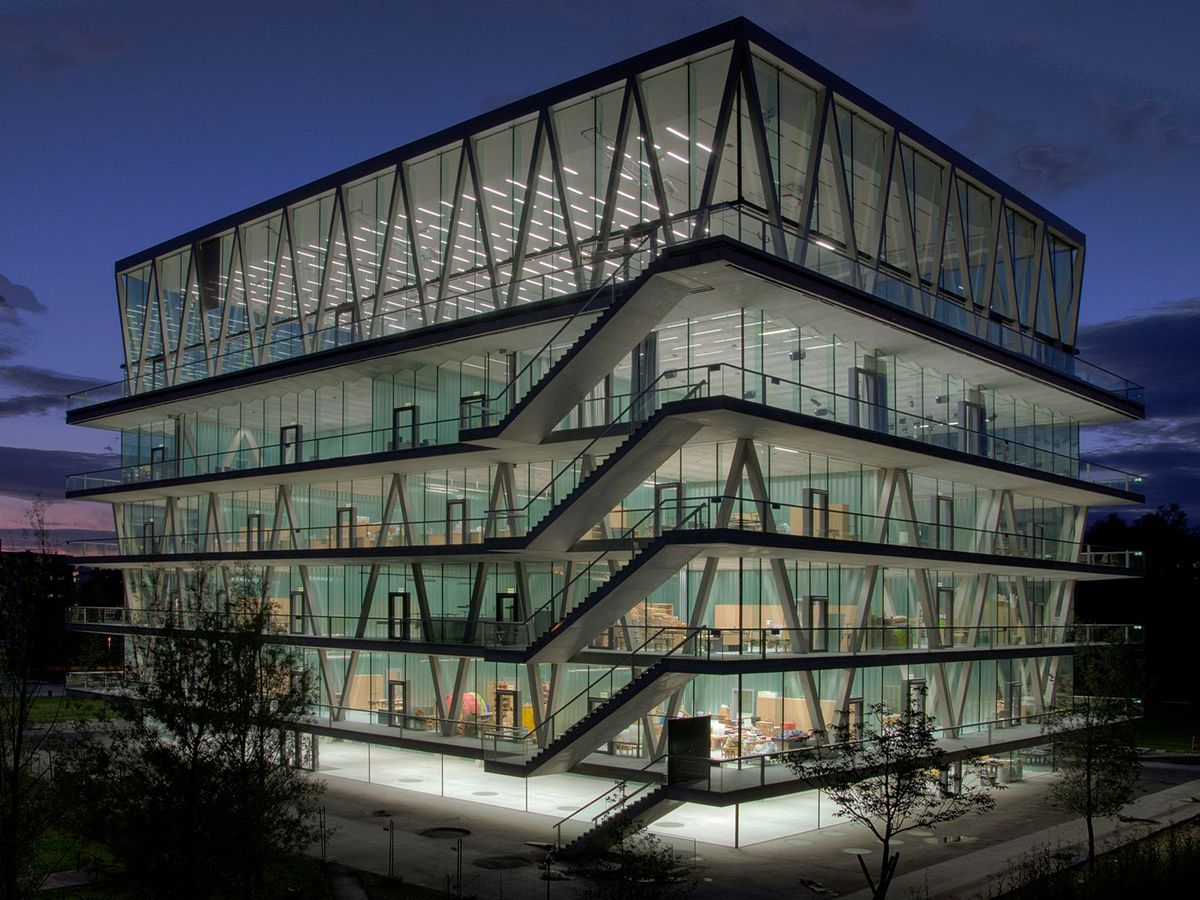
Zurich’s architectural scene of that era thrived on active creators and self-assured clients. A building culture emerged, infused with optimism and faith in the future. Electrifying architecture in Zurich is rare, most palpable in the moments of Modernism and Late Modernism. Too many clients settle for benchmarking; investment in the innovative is scarce, experiments are met with risk aversion. Silently, a latent deficit of innovation accumulates—not only in construction, and certainly not only in Zurich.
For a strike of architectural exhilaration, I step off the S-Bahn in the Stadelhofen architecture special zone, dominated by Santiago Calatrava and Ernst Gisel (why not let Calatrava also build the Opera meatloaf aka ‘Fleischchäs’?), pause at Christian Kerez’s Leutschenbach schoolhouse (we deserve another Kerez!), swing by Christ & Gantenbein’s Swiss National Museum extension, or journey to Basel. There, development zones are actually treated as living urban laboratories, perhaps home to the highest concentration of brilliant architects worldwide. Enlightened patronage persists. Insider tip for a nightcap: the fumoir at Grand Hotel Les Trois Rois, by Pierre & Jacques.
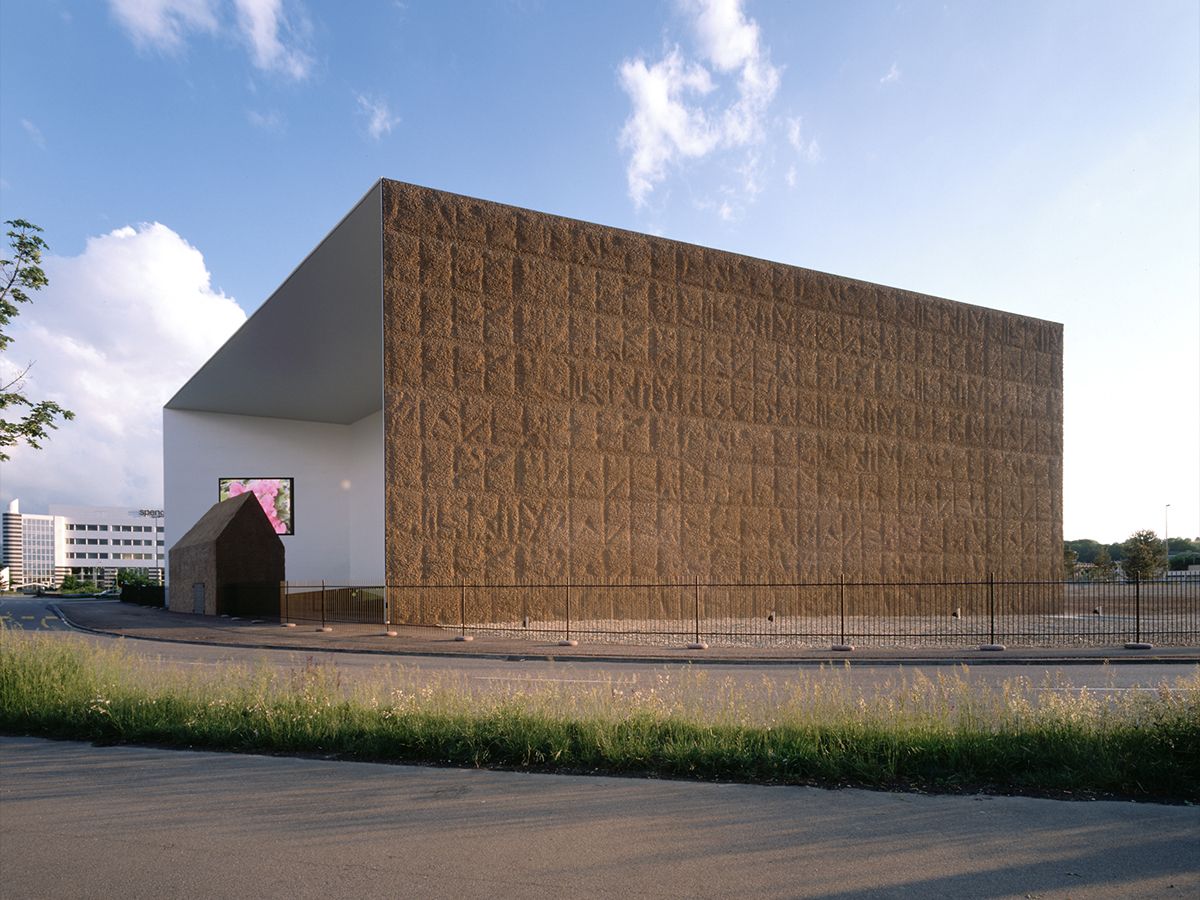
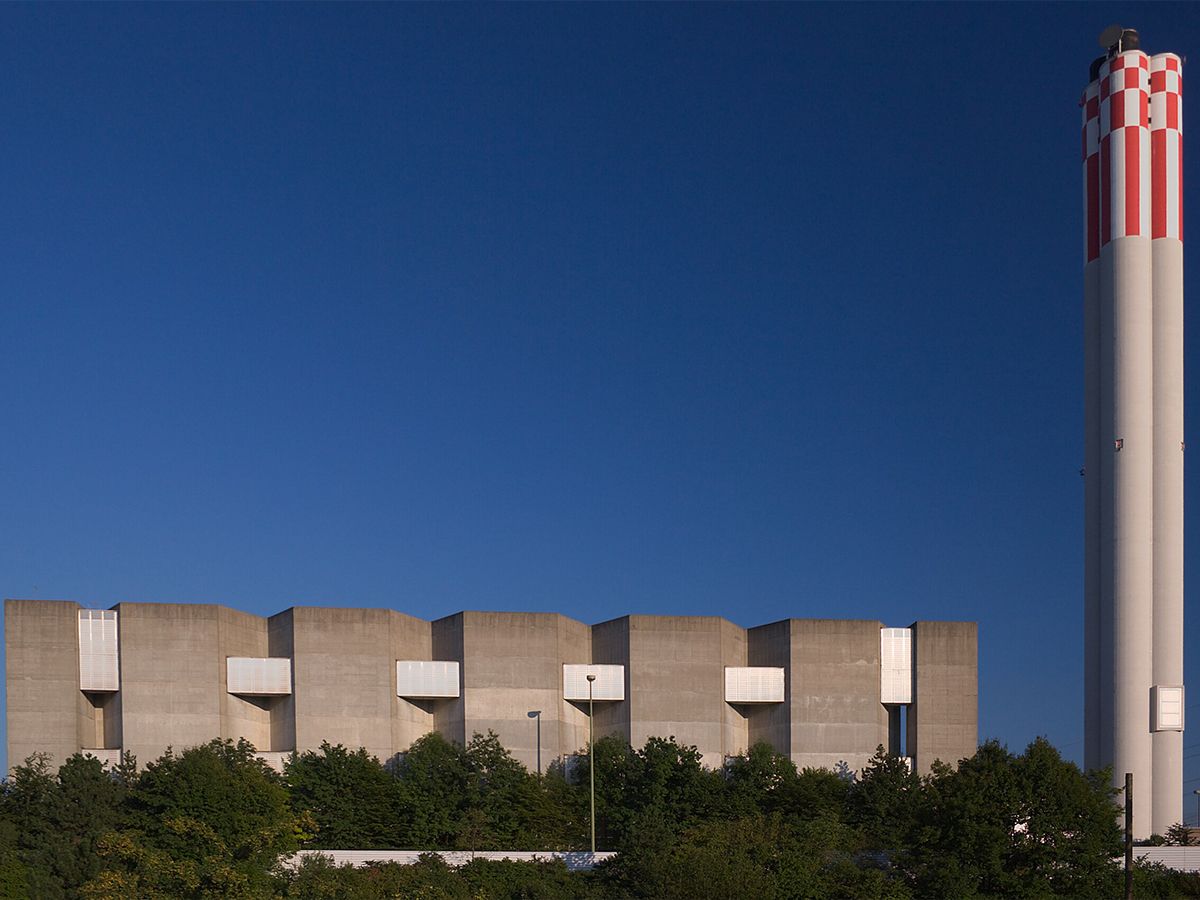
In Zurich, the gaze cast on a construction site carries different expectations than in Basel: at the Rhine bend, building culture is the ultimate differentiation. This is valid for corporate architecture, housing, development zones, as well as museum and infrastructure projects. Humanist sensibilities run deep in Basel; one leaves a place better than one found it—more thoughtful, more beautiful, more humane, more participatory, celebrating life and culture. Consider the Schaulager: an amorphous, windowless box rising from the suburban earth of Münchenstein. Here enters the other Pierre, Basel’s Pierre de Meuron, co-creator of this home for a private collection. Zoelly counters with the Aubrugg heating plant, a power plant as category-expanding and enigmatic in its way as the Schaulager is for private art. The comparison between the two Pierres is only slightly uneven.
Looking ahead to Zurich’s next decade of construction, there is reason for optimism: the Höckler school complex, the Luchswiesen housing estate, the reversible conversion of a church into school space in Wipkingen, the Oerlikon sports center, the Juch-Areal recycling center, and the large EWZ operations building by Meili/Peter.A Football only stadium is not yet in the cards; Zurich remains a hockey town, and the corresponding arena by Caruso St. John opened just last play season. Dear FCZ ultras, if you resist defacing architectural culture with invasive tags, I will splash out a round of Negronis. Beautiful buildings give a city identity—just as the FCZ does.
Separated by a generation, yet with remarkable parallels: the works of the two Pierre’s act as oxygen for post-war Swiss Modernism and its present-day descendants. Their contributions quicken the pulse of the built environment. A toast to substance, orientation, and expression in architecture! Both operate with virtuosity and efficiency in solving problems and fulfilling aspirations alike. Both delight in shaping plastic forms. Zoelly collaborated less than de Meuron, yet both fearlessly grappled with the fundamentals of space, imposing applied insights with the force of undogmatic conviction on their clients: Creating Reality is the ultimate maxim. I rejoice—and hope for followers.
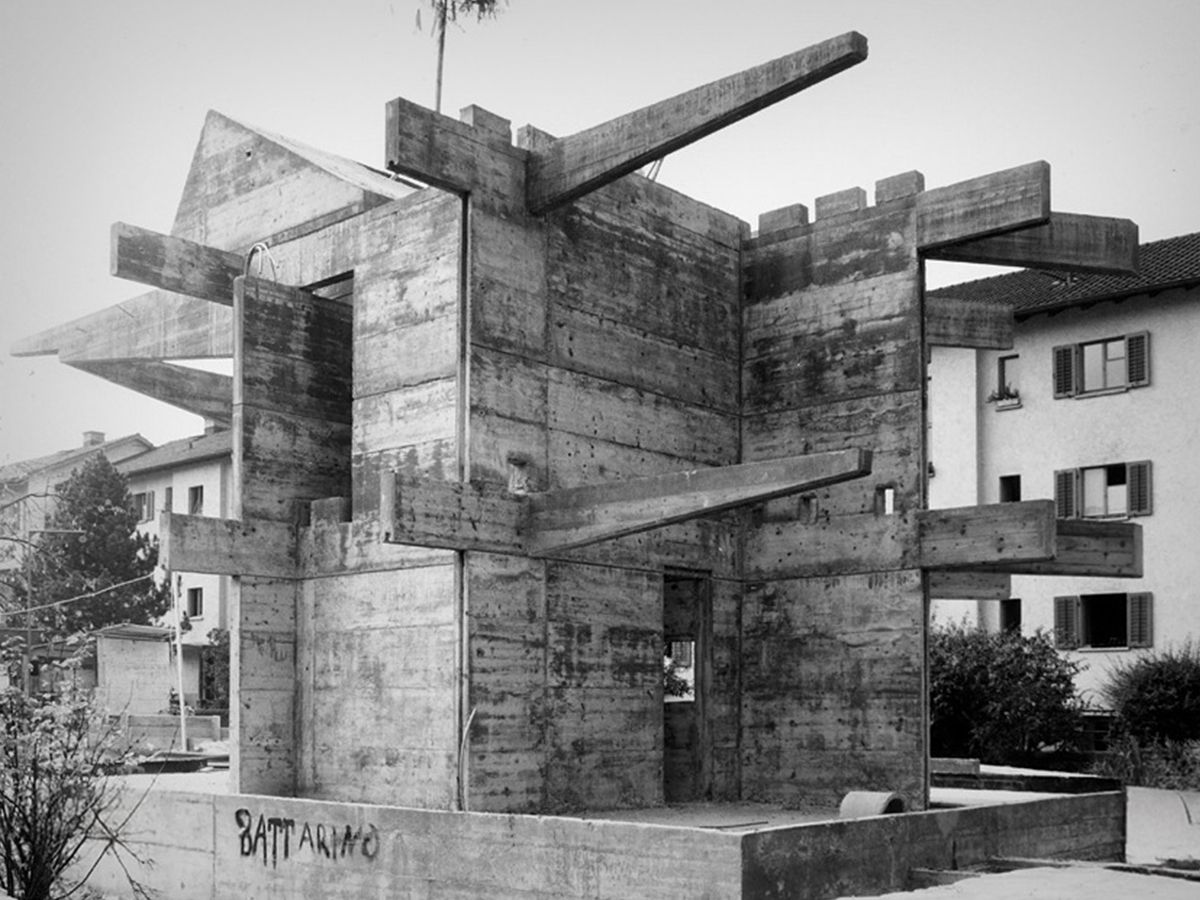
Zoelly, with his original position that disregarded the modern father figures, remains a favorite of Swiss Late Modernism. First, for his atypical constructions: I recall visiting the home of architect Gabrielle Hächler’s parents, where floors, walls, and roof rest upon a concrete tree—the tree as the house’s central column—a bold, resourceful idea. Second, for his attention to human and poetic needs in architecture: coming together with earth, security, trust, vulnerability—Zoelly addressed these with great sensitivity. Third, for his dedication to fundamental research, especially on subterranean spaces.
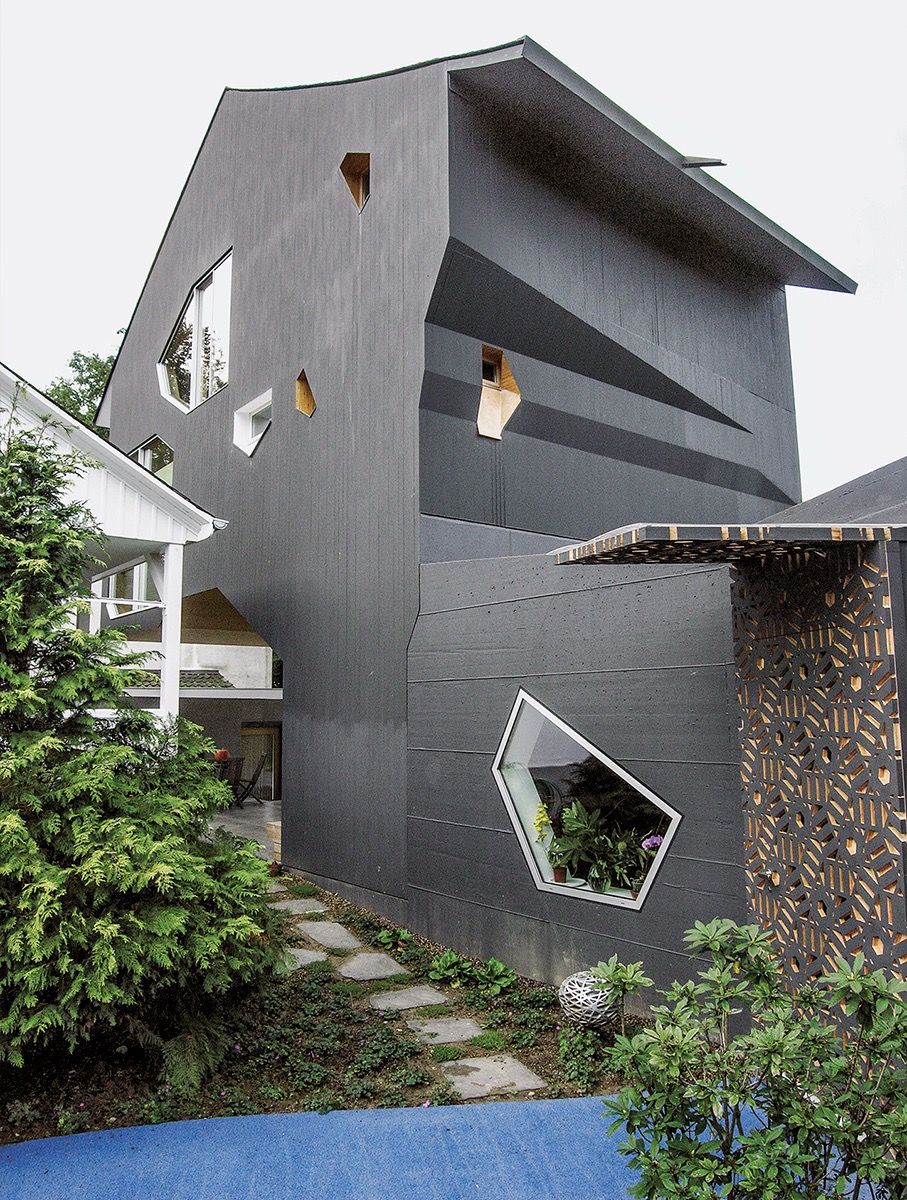
I met Pierre de Meuron as a prospective buyer of his single-family home in Riehen. No words are needed to describe him; the body of work of Herzog & de Meuron speaks eloquently. I learned that a house of his was for sale from Niels Olsen, co-director of ETH/gta exhibitions and grandson of Ernst Gisel. He declared: “You mustbuy Pierre’s house.” My wife Michelle, however, wanted to live in Zurich again – despite Fondation Beyeler.
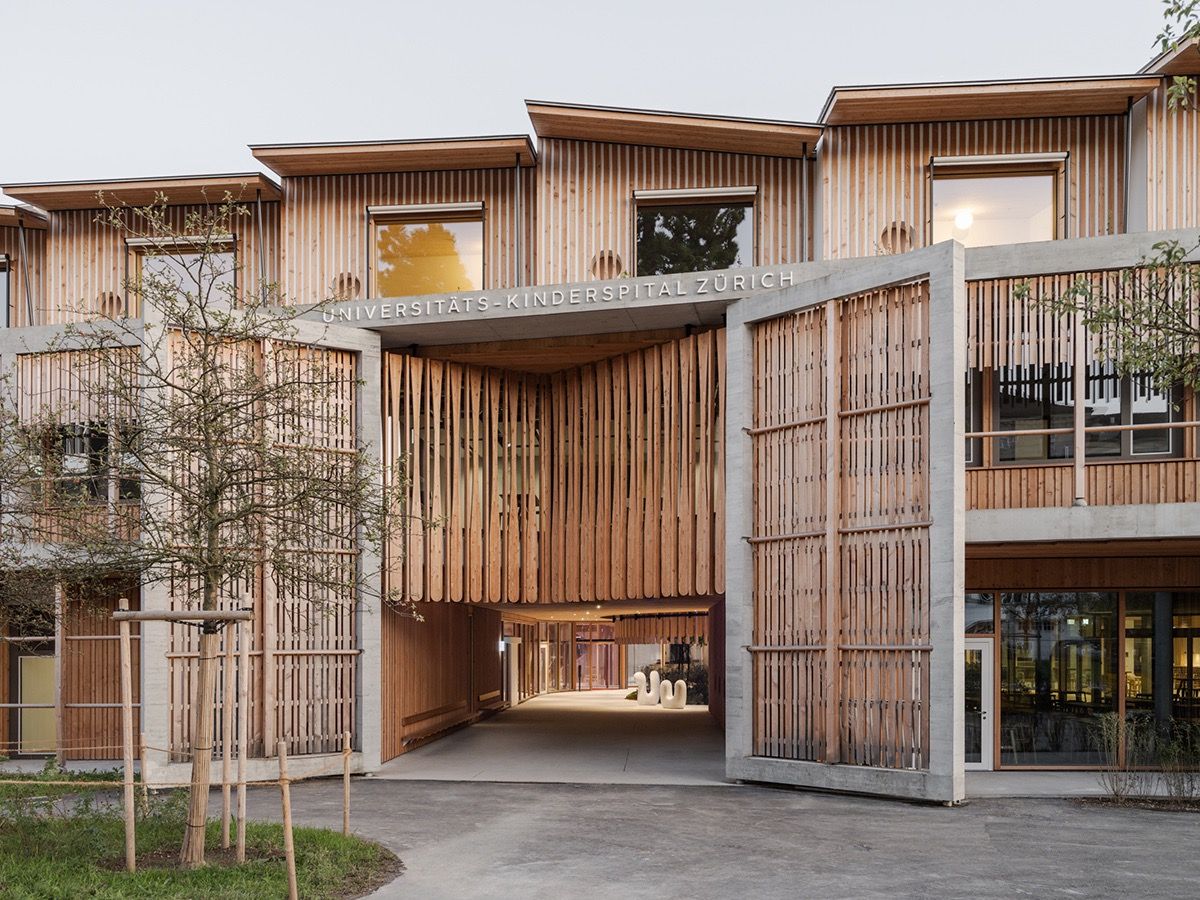
Basel builds Zurich, does Zurich build Basel?
Basel-based architectural teams are currently hyperactive along the Limmat. The recently opened HdM Children’s Hospital is adored by children and parents alike. Patrick Gmür, served on the jury for the Kispi competition in Zurich-Lengg, remarking that the performance gap between Herzog & de Meuron and other competitors was akin to that between Real Madrid and Swiss Super League clubs. By 2030, the new University Education and Research Center, also by HdM, will be complete. Next door, Christ & Gantenbein are excavating the new University Hospital Zurich—a vast crater. At Paradeplatz, HdM is transforming the very heart of the financial industry: the UBS bank building opens to the public in 2027 with old and new uses.
Zurich struggles with innovative building and urban planning, perhaps explaining why Basel exports more architecture. Yet the flow is not only one-way: younger Zurich offices produce beautiful buildings in Basel too, like Esch Sintzel’s timber housing on Maiengasse. Soon ready: the Natural History Museum by EM2A in Basel St. Johann. Pre- and post-WWII, architectural export was more balanced: Otto Rudolf Salvisberg for Roche, Karl Moser for the Catholic Church, Hermann and Hans-Peter Baur with Basel schools.
Those who tackle complex challenges in housing, industry, infrastructure, and museums at consistently high levels, while advancing fundamental research, deserve at least a street name. Pierre Zoelly Square sounds fitting, doesn’t it? Or perhaps Pont de Pierre de Meuron?
Spread the good words on


