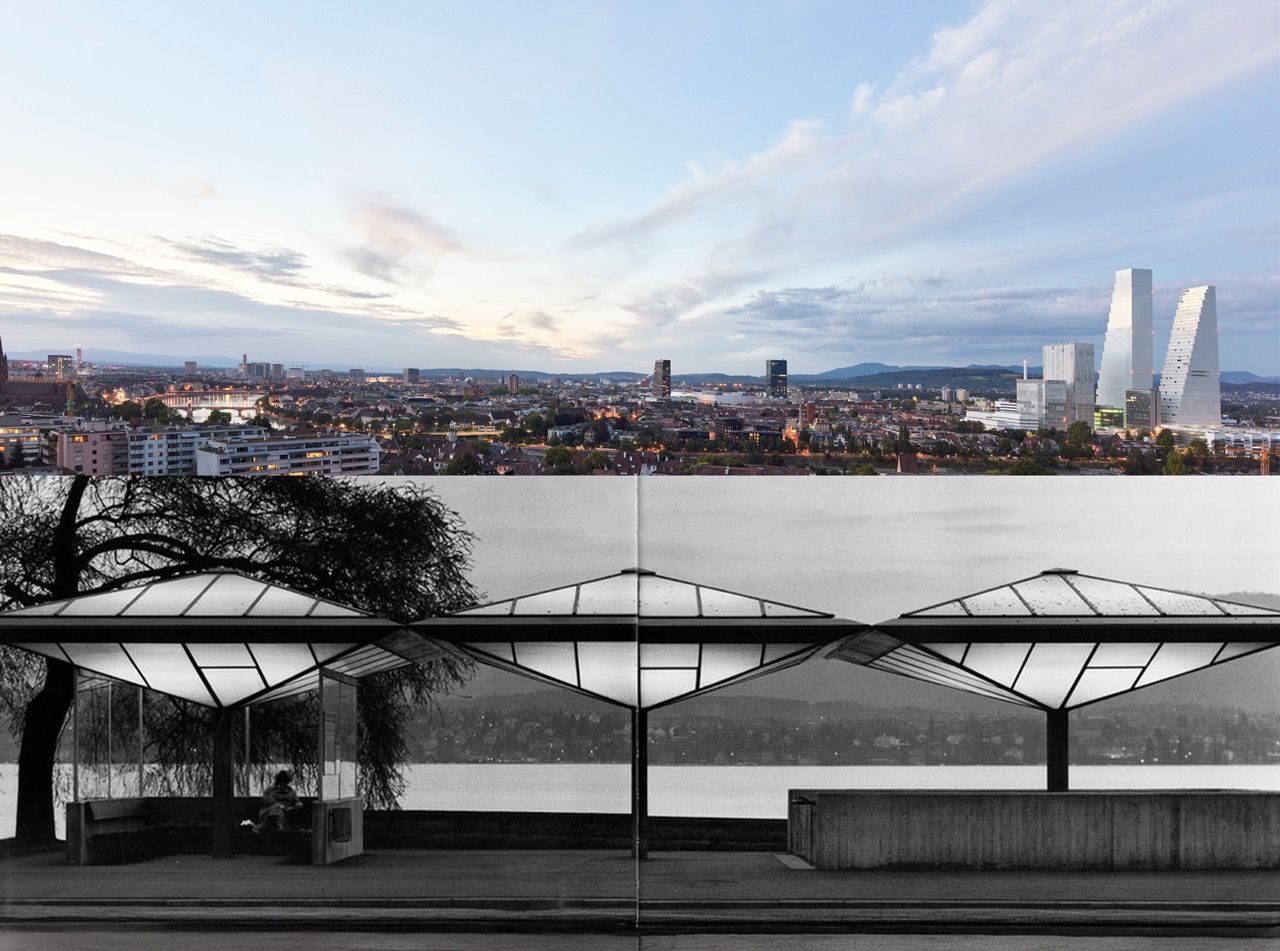
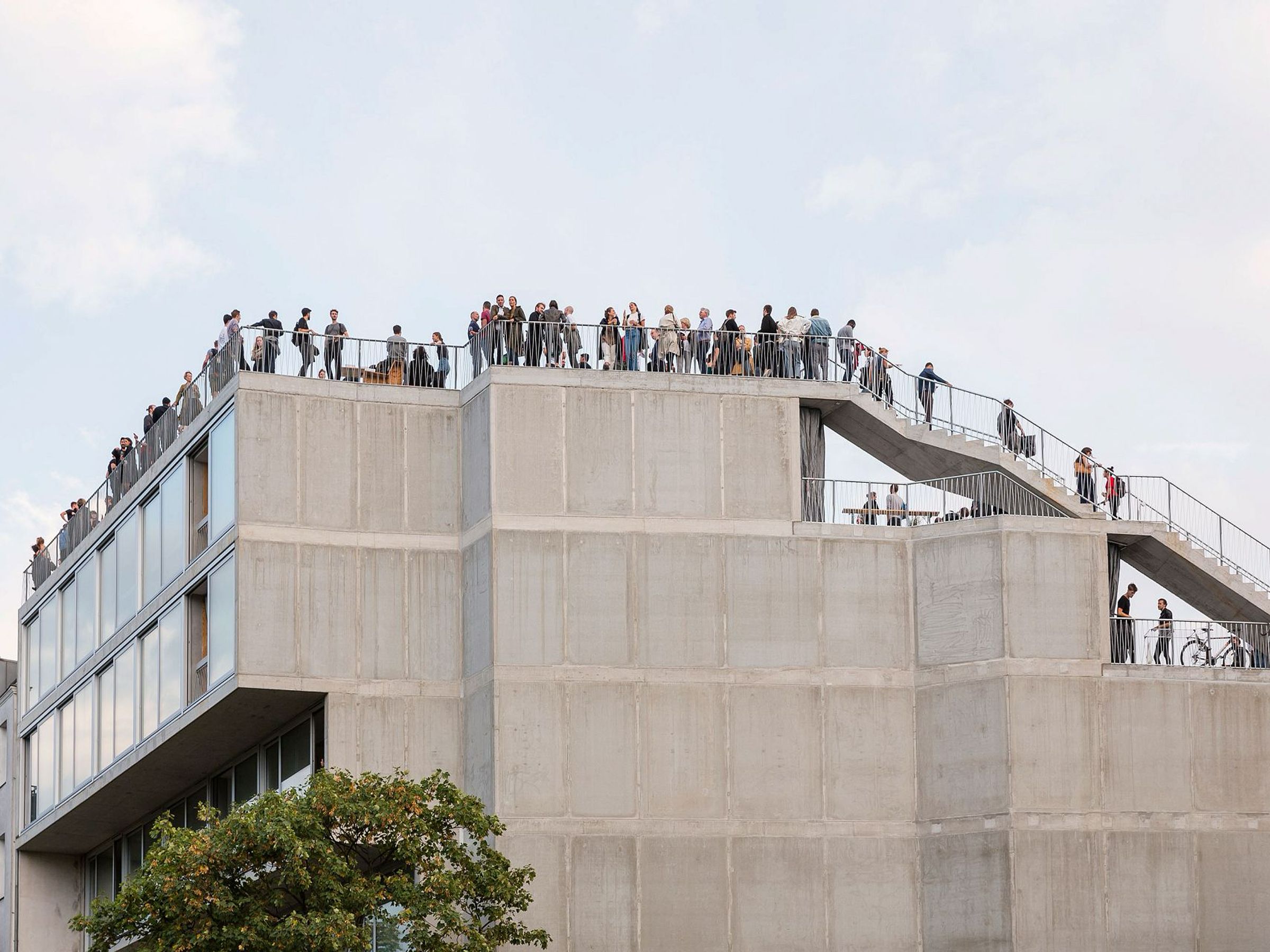
Dear clients, architects, investors, and lovers of architecture — how do we want to live?
People arrive at Poeticwalls from different directions. Some discover a house, an apartment, or a development we have created. Others are drawn by the same question that drives our work: How do we want to live?
You visit poeticwalls.com because you are looking for spaces with attitude. Because you understand that the built environment is more than the sum of its functions. It shapes our well-being, our perception, and the way we relate to one another. Architecture influences everyday life. You enter a room — and you feel it.
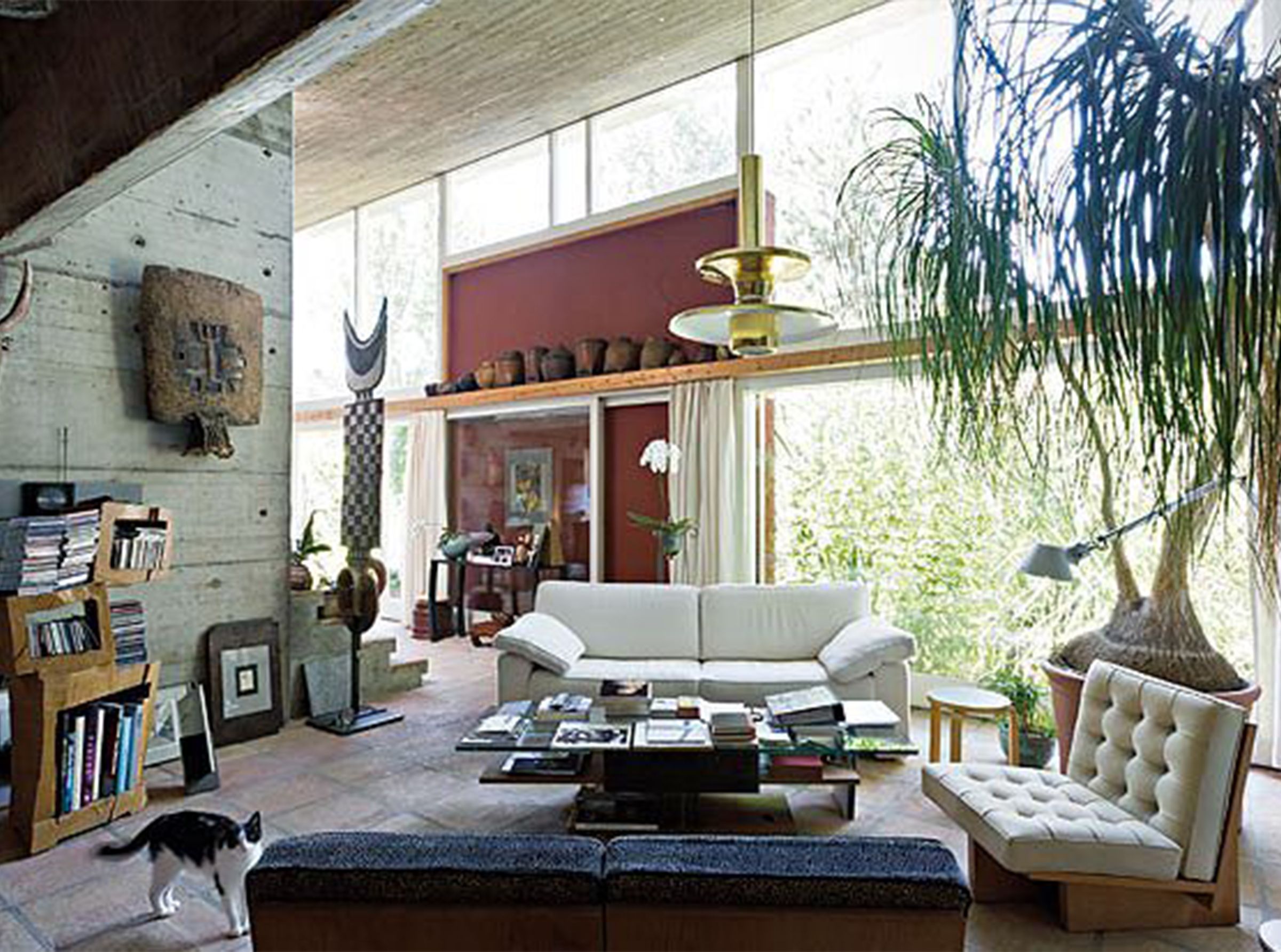
“What shaped me as an inhabitant: Architecture is at its most powerful when it does not seek to make a statement, but to create a condition. When it does not speak, but carries.”
Baukultur is not an aesthetic luxury; it is a responsibility toward our clients and the public. The pressure for more living space is high, open space is becoming scarcer, we need a culture of building that goes beyond maximizing floor area. We need places worth living in — places with character, atmosphere, and lasting relevance.
At Poeticwalls, we develop real estate with this conviction. We see ourselves not only as developers, brokers, and sellers of exceptional properties, but also as curators of architectural quality. Together with investors, architects, users, and the wider public, we create projects that are economically sound while generating lasting cultural value.
Our team brings together expertise from architecture, development, real estate, communication, interior design, art, and design. We welcome your interest — and everyone who shares our conviction that good architecture is not a luxury, but a precondition for a good life.
01 Poeticwalls role as developer — We are part of the cultural shift in real estate development and brokerage.
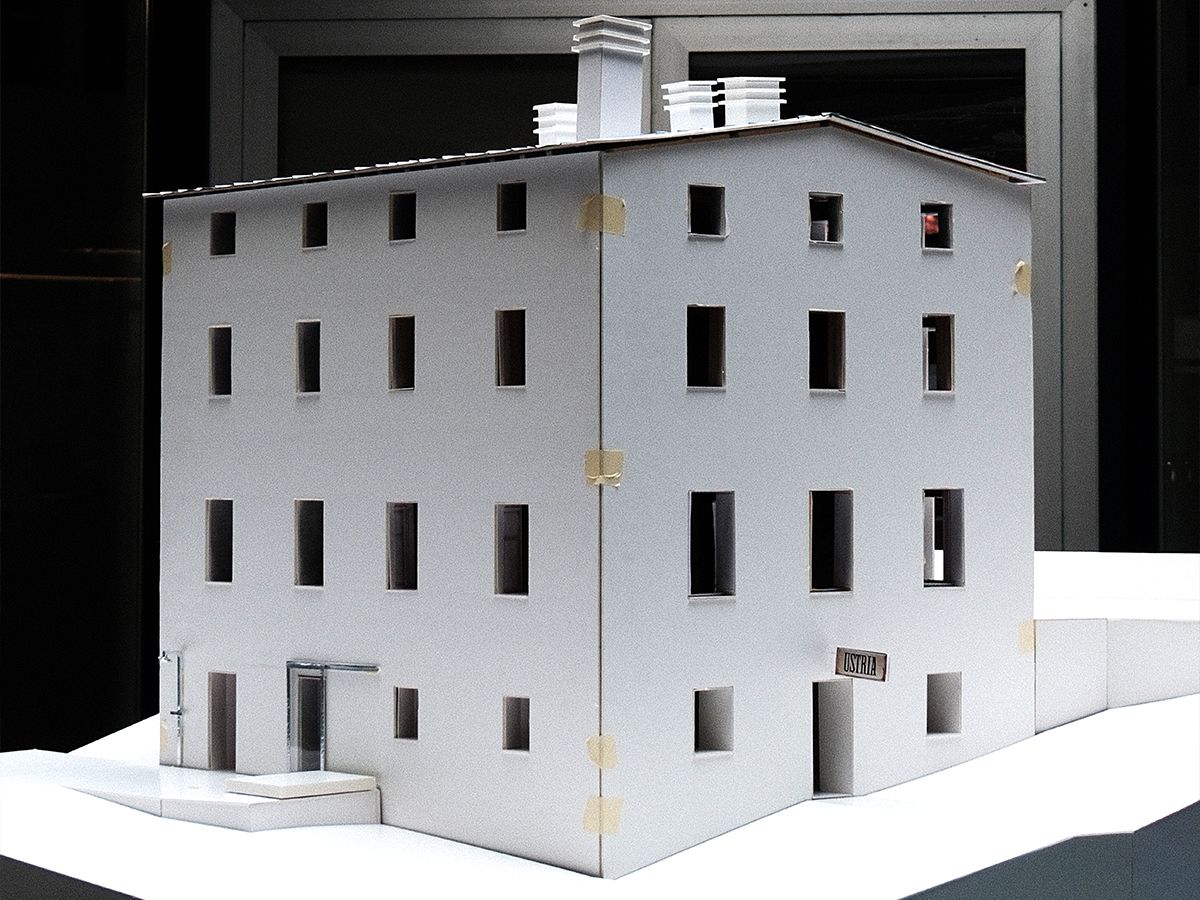
Poeticwalls, community hall to residence, Riein GR
Projects lose their quality and their potential in the process: short-term return expectations, standardised planning, fear of risk, poor jury and procurement procedures, the absence of a curatorial stance.
We understand residential and working space as productive infrastructure for our well-being — only after that as an income object or square-metre logic. Our task as developers is to create sustainable places with emotional and cultural impact.
As developers, we act like a cultural producer
Poeticwalls develops real estate as a long-term contribution to Baukultur. We curate places and understand buildings as identity-forming sites.
From the specific qualities of a site — its atmosphere and its potential — we develop a project concept. For the architectural realisation, we work with practices whose stance and design approach correspond to the respective project idea. The result are buildings that meet both emotional and economic requirements.

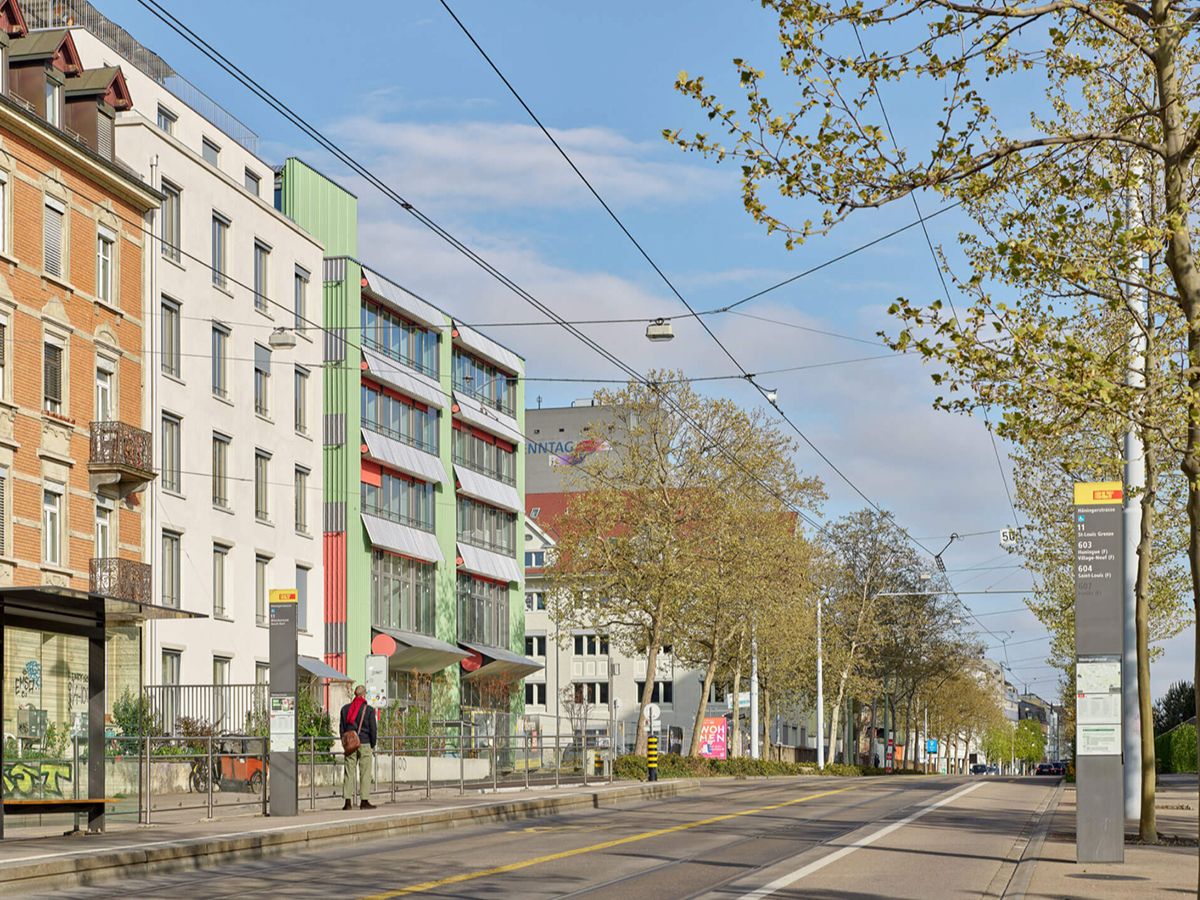
02 Architecture is not a luxury.
Esch Sintzel, conversion of a wine storage, Basel, 2018–2023
Magical architecture is rarely a question of cost — it is a question of attitude.
Good proportions, lighting, material honesty, atmosphere and closeness to nature. Sensitive transitions. None of this is necessarily more expensive — only more demanding in thought.
Good architecture despite price pressure. Thanks to industrial efficiency (prefabrication, modular systems, digital design workflows) + committed designers, we achieve Baukultur at accessible price points.
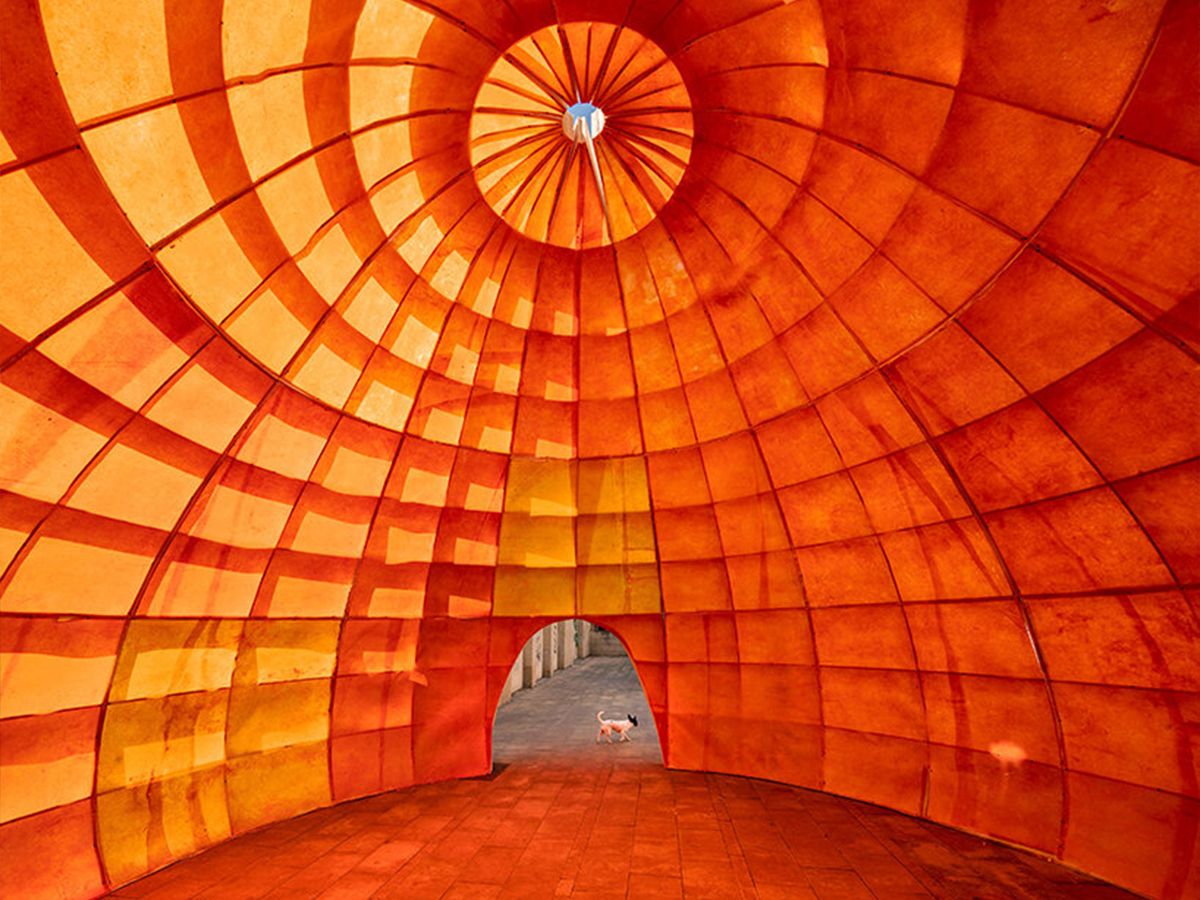
03 Stilling the longing: architecture as psychological technology
Oana Stănescu, Fresa, 2023
Constructing well-being – how?
Digitalisation and acceleration are driving the need for poetry, calm, identity, community, transcendence, beauty.
How do we design spaces that promote regeneration and belonging? Buildings that establish a connection to nature and their surroundings? Forward-thinking architects draw inspiration from art and culture as much as from health, biophilia, and neuroscience.
I Psychology is more relevant than style
The best architecture hits you before your mind catches up. Humans experience space with their bodies.
III The means of producing spatial sensations are old.
Proportion, orthogonal and polygonal surfaces and bodies, direct and indirect light — fundamentally, light and shadow in all gradations. Then come colour, materiality, acoustics, transitions, exaggerations, sightlines, courtyards, micro-rooms such as alcoves and corners — and of course the shadow gap.
And then there is chance and play: they bring formalisms back into flow.
II Planning the psychological dimension of architecture
Architecture has an effect: security & shelter. Community & closeness. The archaic & transcendence. Contemplation & transgression. How do we arrive at the atmospheric density we seek?
IV Dignity makes density habitable.
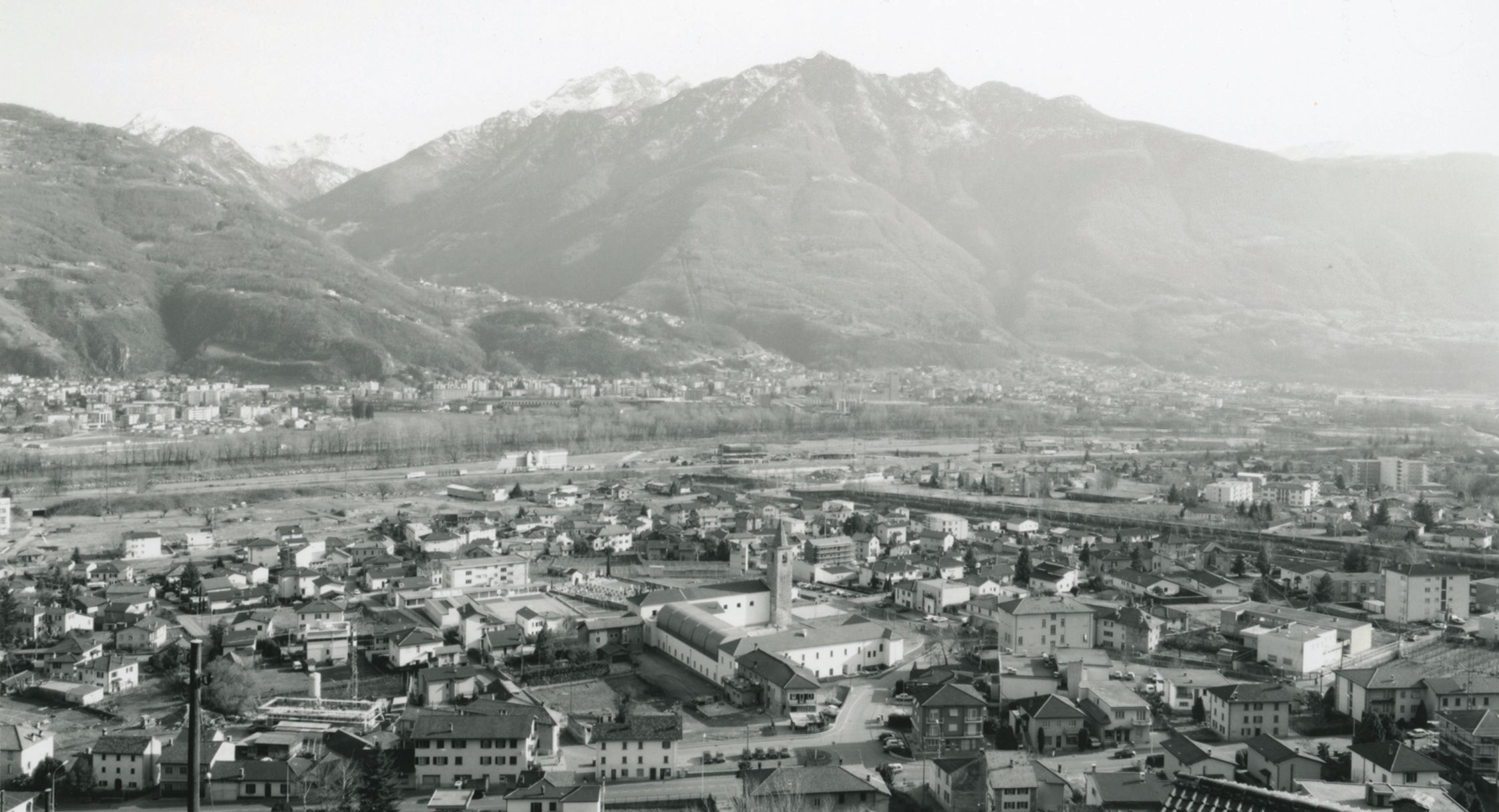
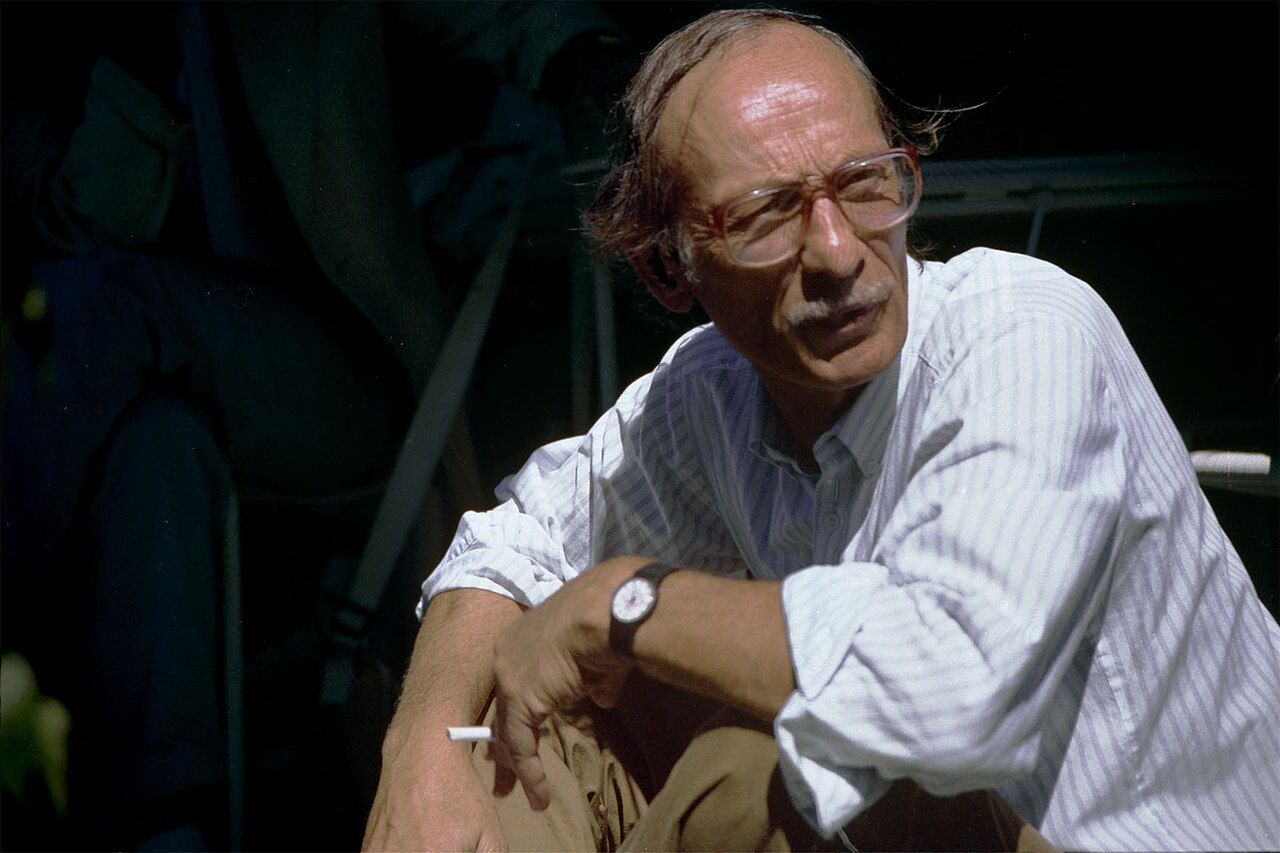
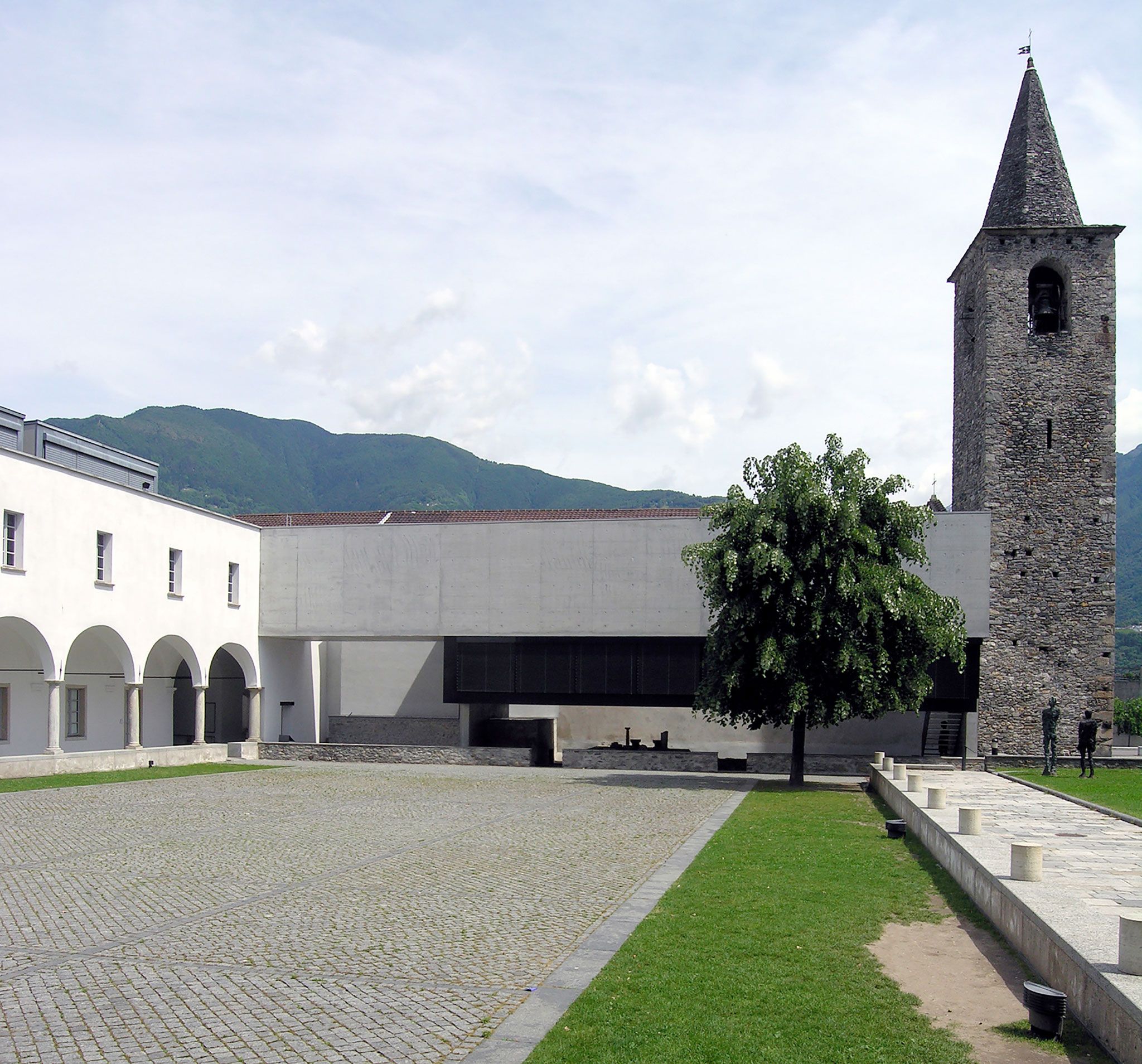
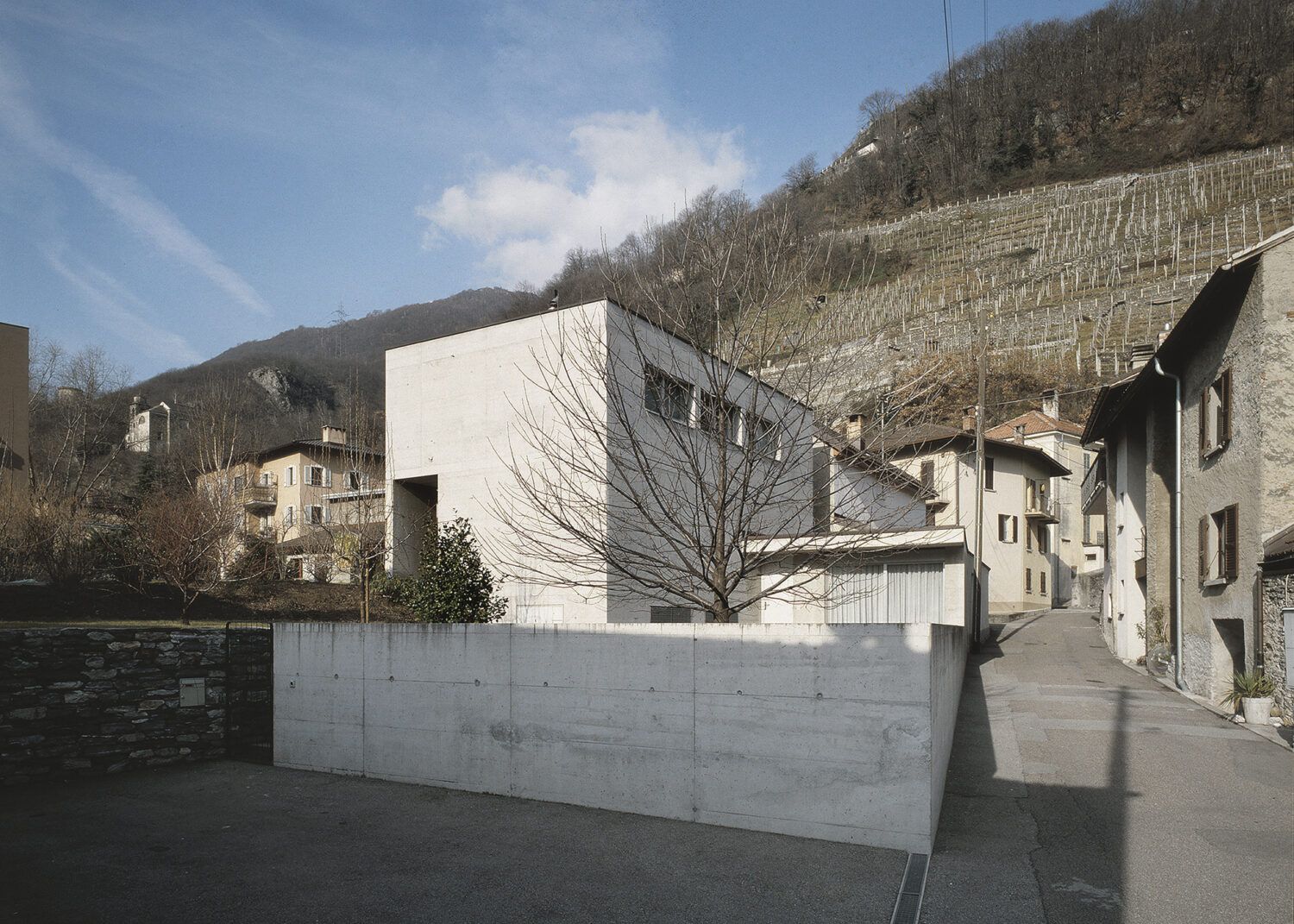
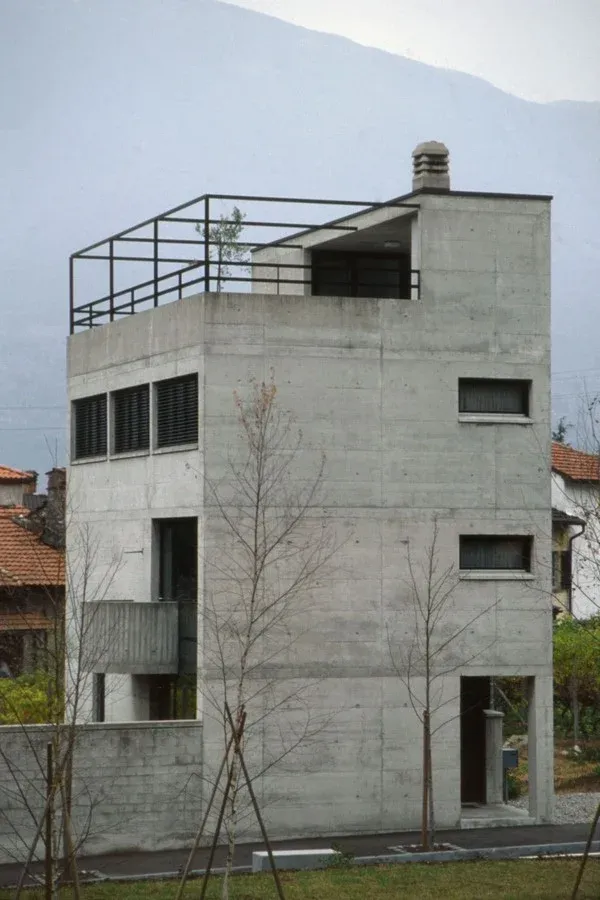
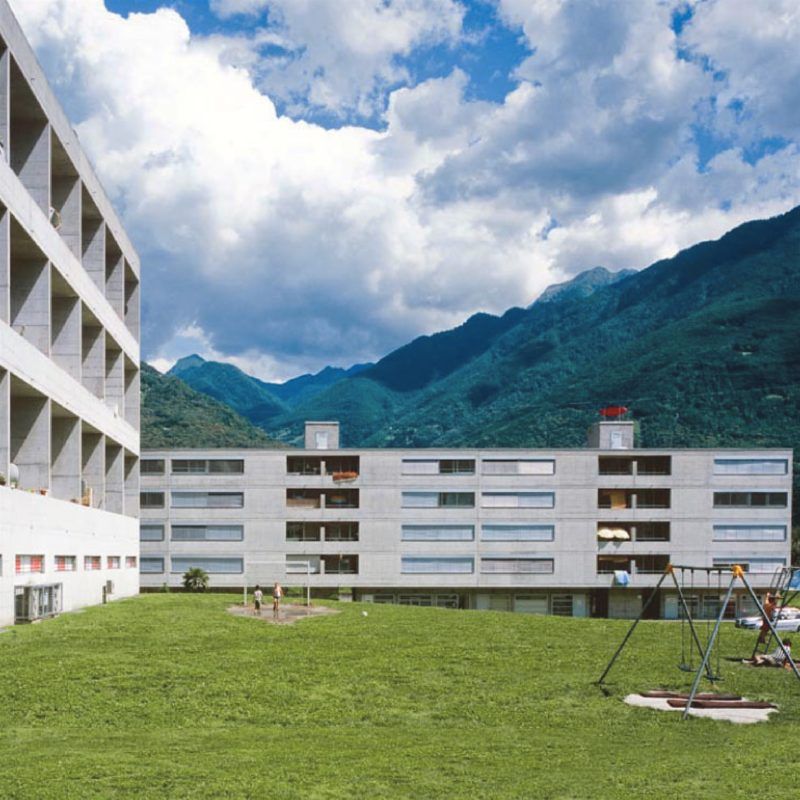
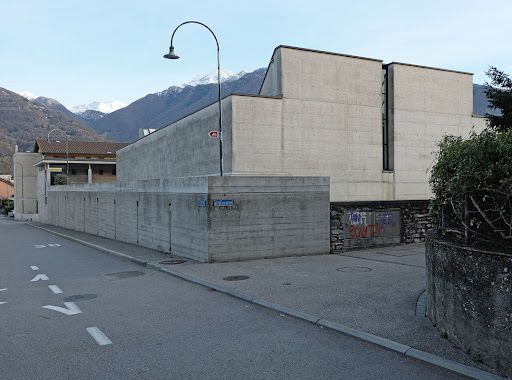
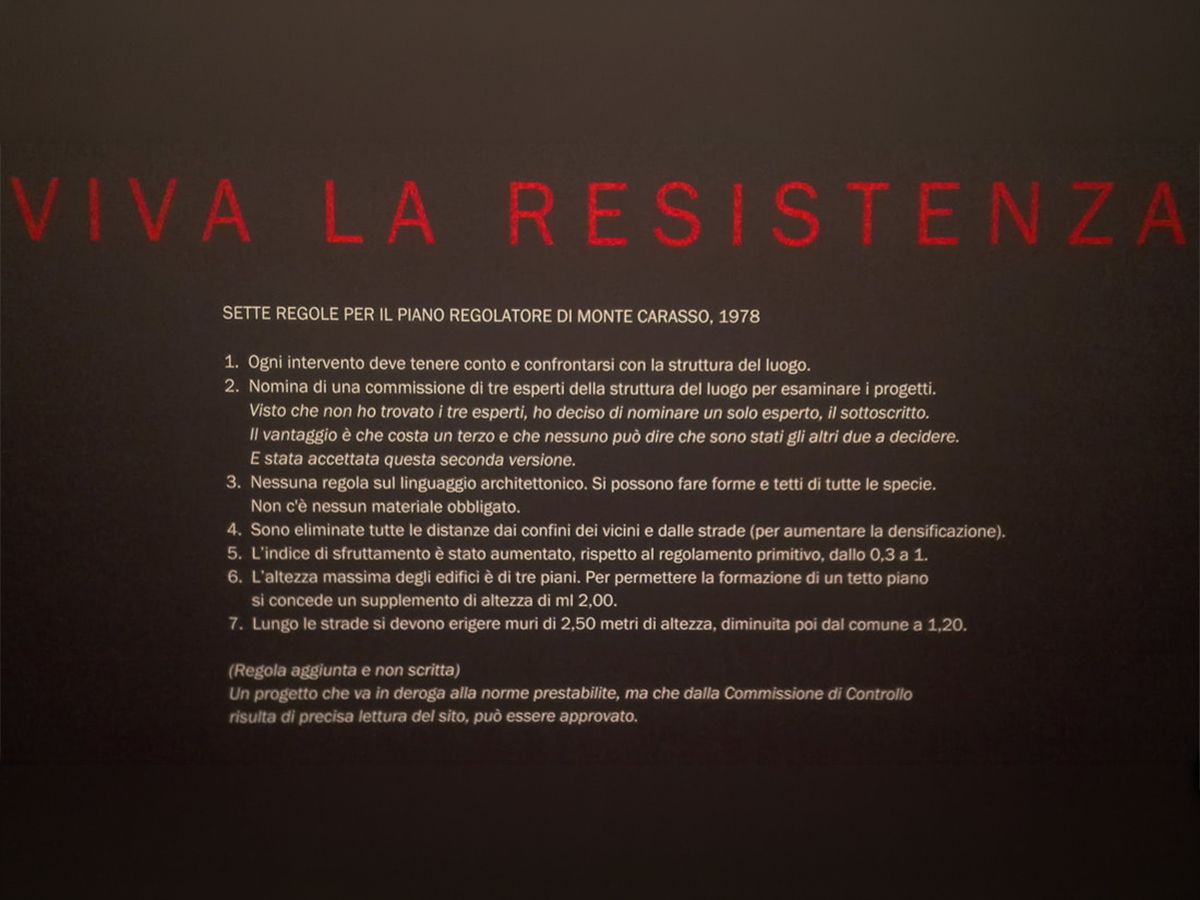
Make use of the negotiation space within building law! In 1978, Luigi Snozzi made common cause with the municipality for his densification of Monte Carasso in the Bellinzona agglomeration — and turned hundreds of building rules into seven. Plus he added an unofficial 8th rule: if a project is better than the rule, the rule must be changed. What makes Monte Carasso important is less the formal language than the attitude: few, precise rules deliver maximum spatial quality and a collective identity for the new village core.
To this day, Monte Carasso stands as a counter-model to the suburban sprawl of Europe. Worth planning a visit on your way south!
Snozzi's concentration on seven building rules:
04 Investment Category Baukultur: Poeticwalls combines beauty with economic viability.
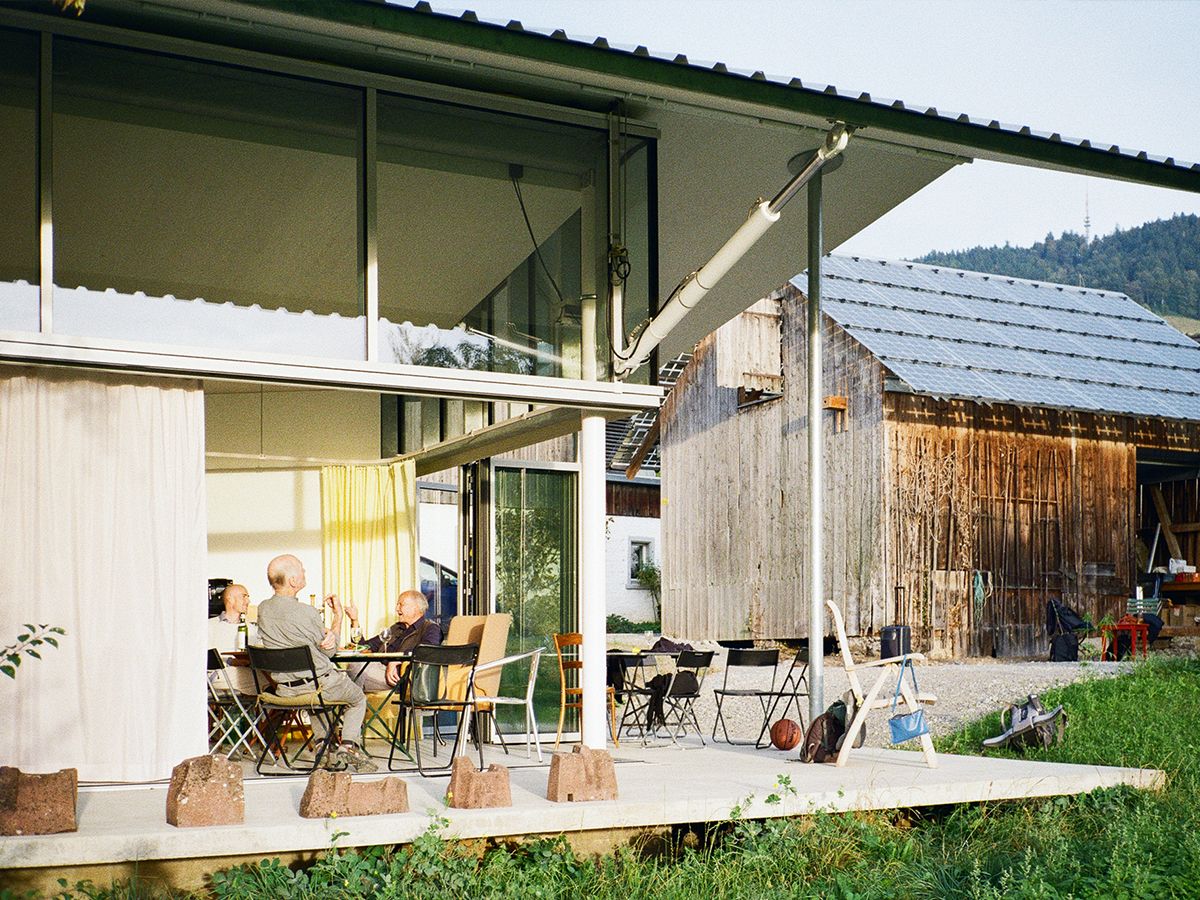
Comte / Meuwly, The House for Almost Everything, 2020–2023
Architecture is not the decor of the economy — it is part of productivity.
The error of many investors: that good architecture is a cost factor. In the long term, the opposite may emerge: willingness to pay higher prices, fewer vacancies, stronger identification, more resilient neighbourhoods, higher public acceptance. And not least a more dynamic value appreciation compared with average architecture.
Getting into business as an investor with Poeticwalls AG
We warmly invite you to reach out to Michelle Nicol or Rudolf Schürmann for a conversation.
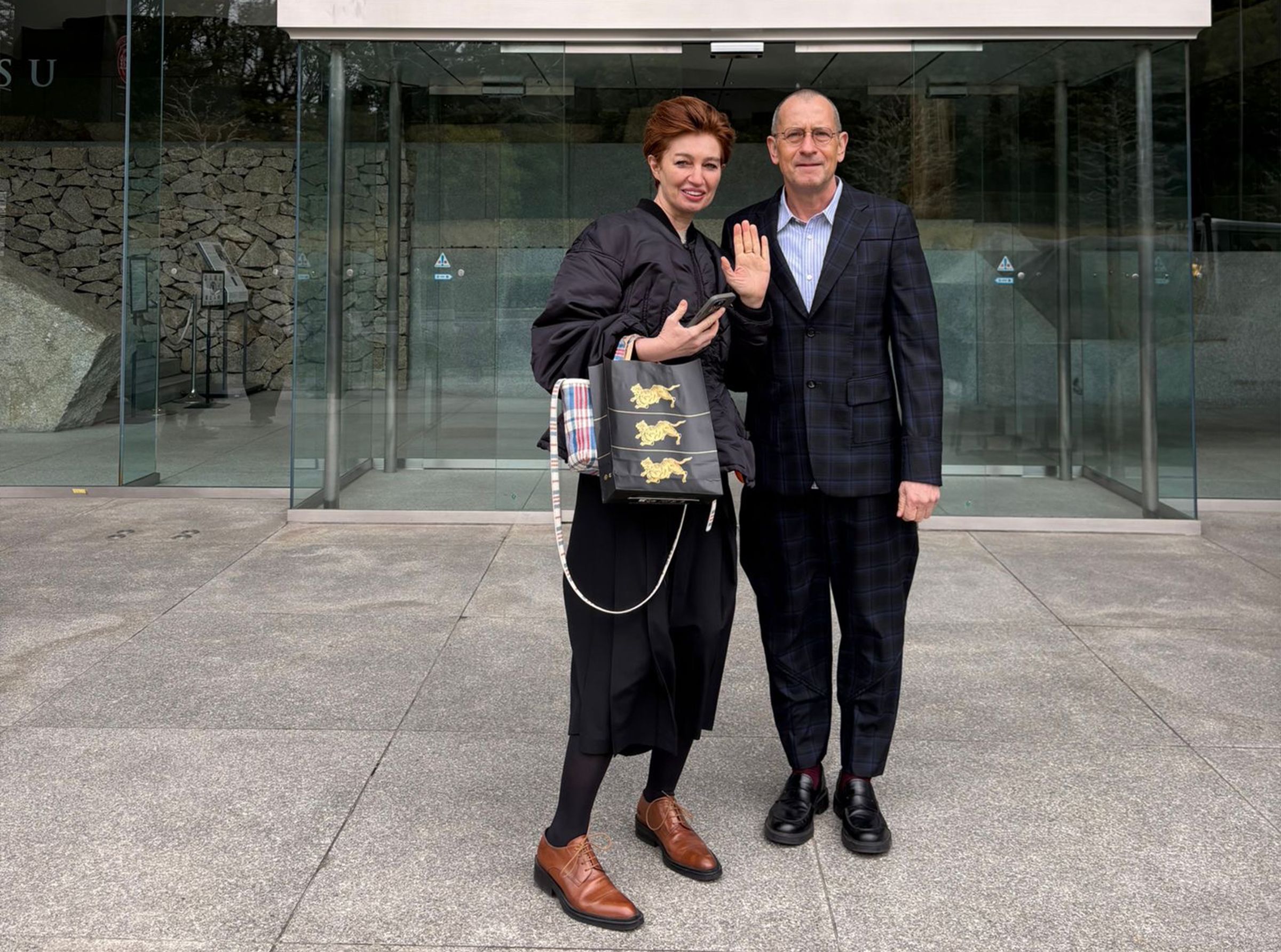
"Invest with us — in the scaling of Baukultur, or in individual, atmospheric developments with well-founded return potential."
Spatial quality is a scarce resource on the real-estate market — capital for new housing in good locations, on the other hand, is available. This is where Poeticwalls comes in. We invite you to invest, together with us, in atmospheric architecture. The result: buildings that elevate places and endure over the long term — and this, precisely, translates into above-average returns.